————— Netflix Original · 2021–2024 · Acts I–III

Arcane

Characters Dossiers

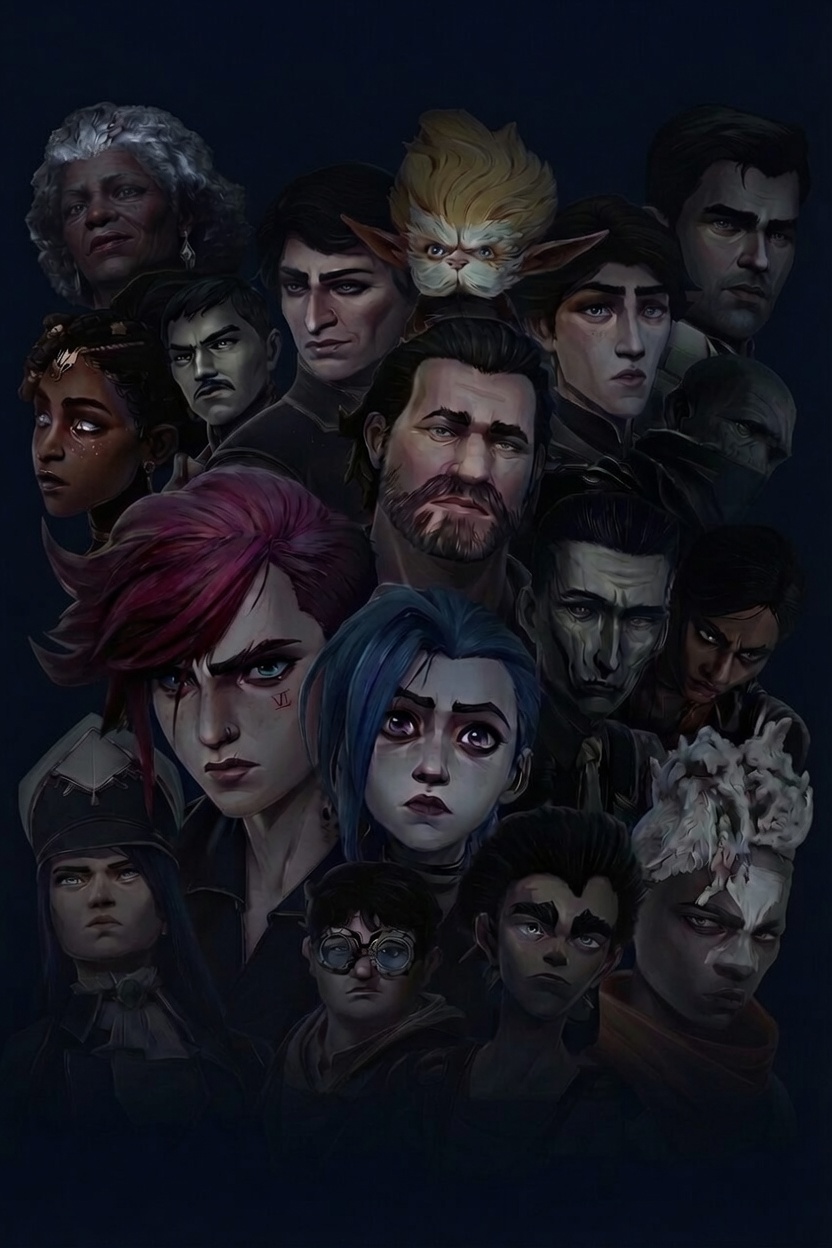
Every character has a story, and every choice leaves a mark. Explore the people whose ambitions, sacrifices, and relationships shaped the world of Arcane, leaving a legacy that echoes beyond the final chapter.

9.2 IMDb · TV-14 · 18 Episodes · Based on League of Legends
Arcane casts
Piltover & Zaun — a field guide

Overview

Every story is built through the choices of those who live within it. A single decision can inspire hope, ignite conflict, strengthen a bond, or shatter one forever. In Arcane, every character carries a different purpose, yet none stand apart from the others — their lives intertwine, and together they shape the destiny of Piltover and Zaun.

Main Characters

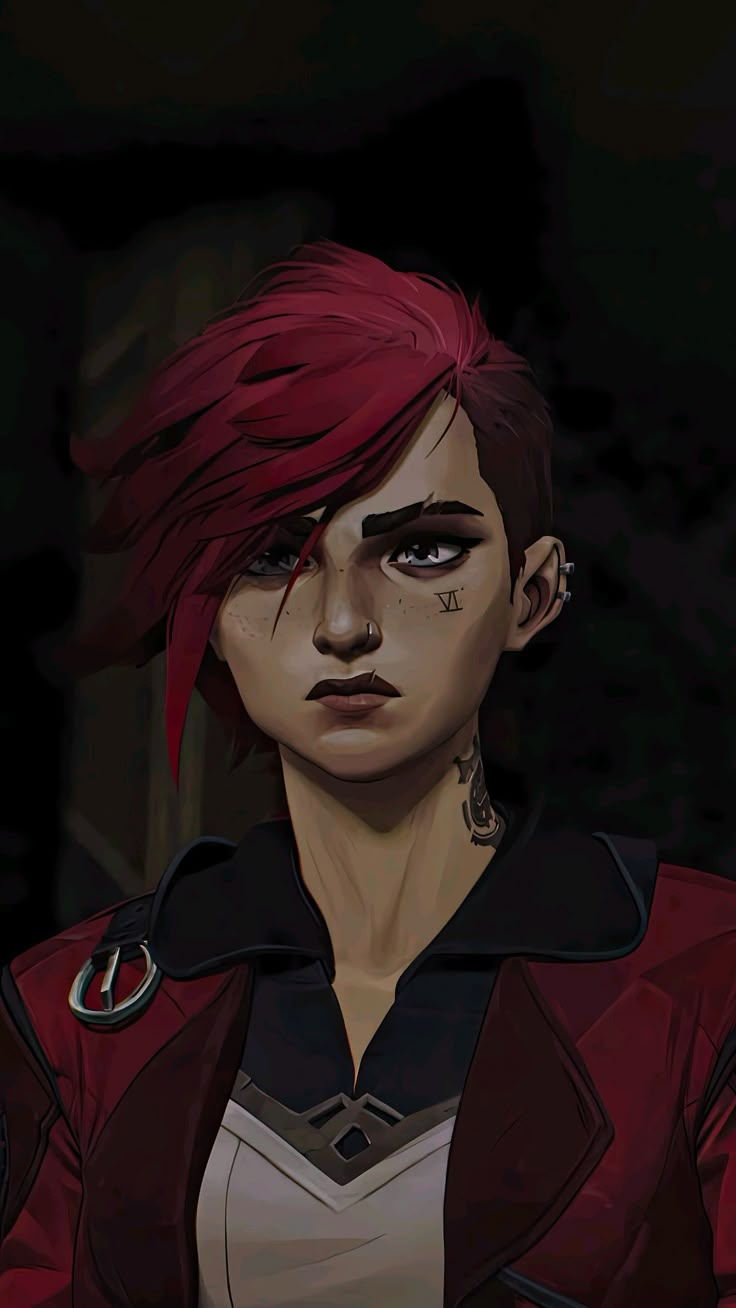
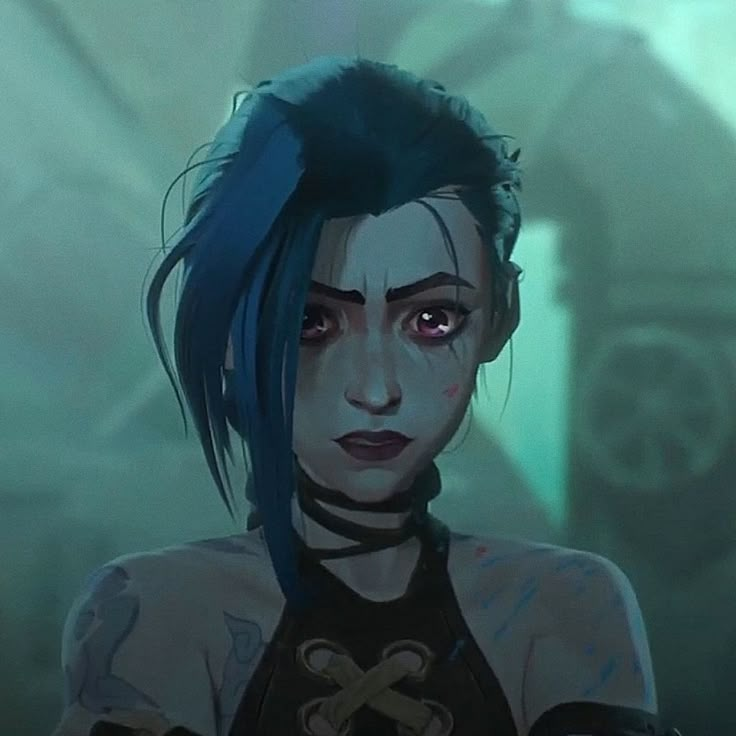
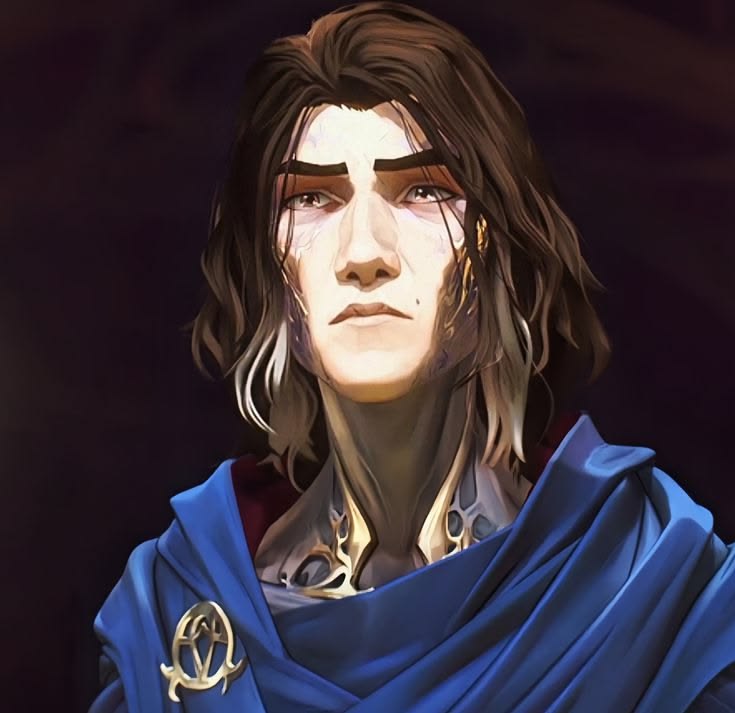
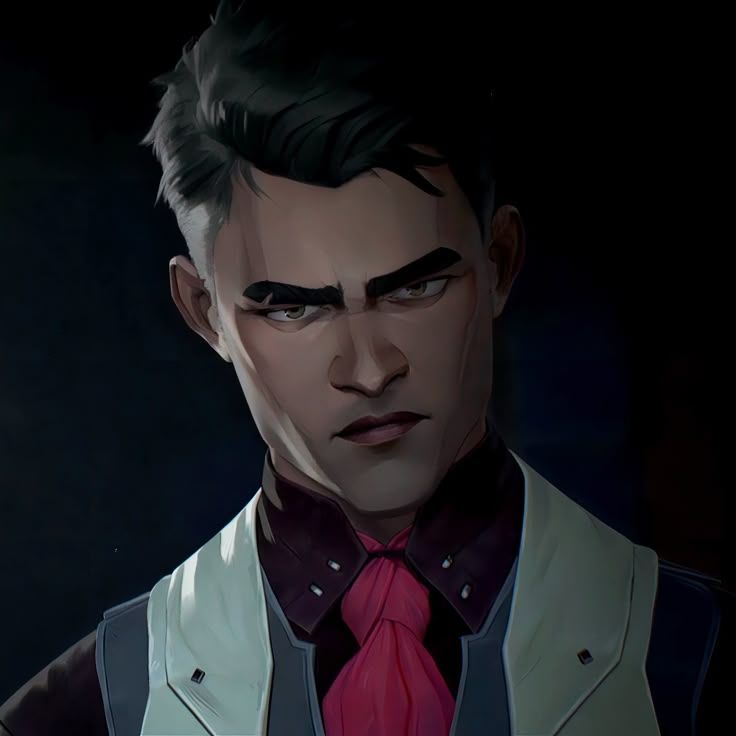
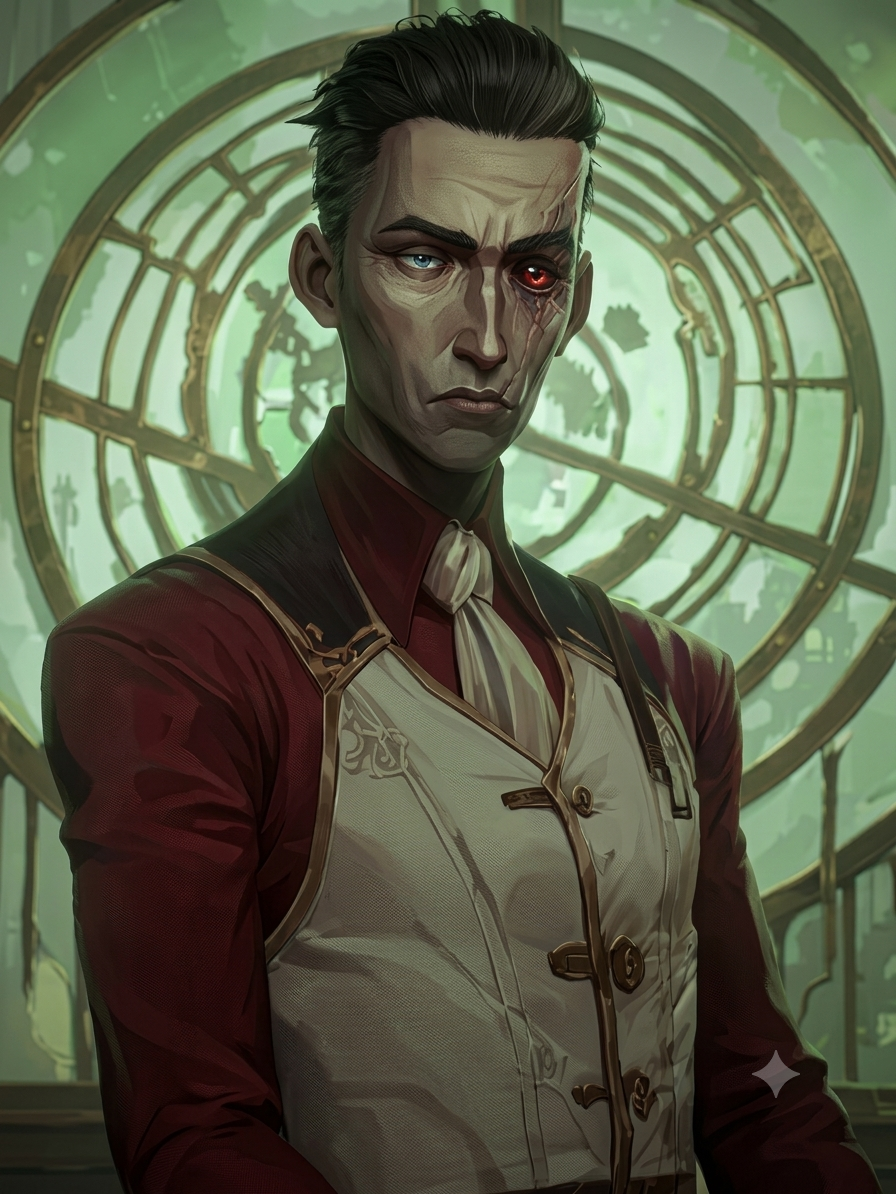
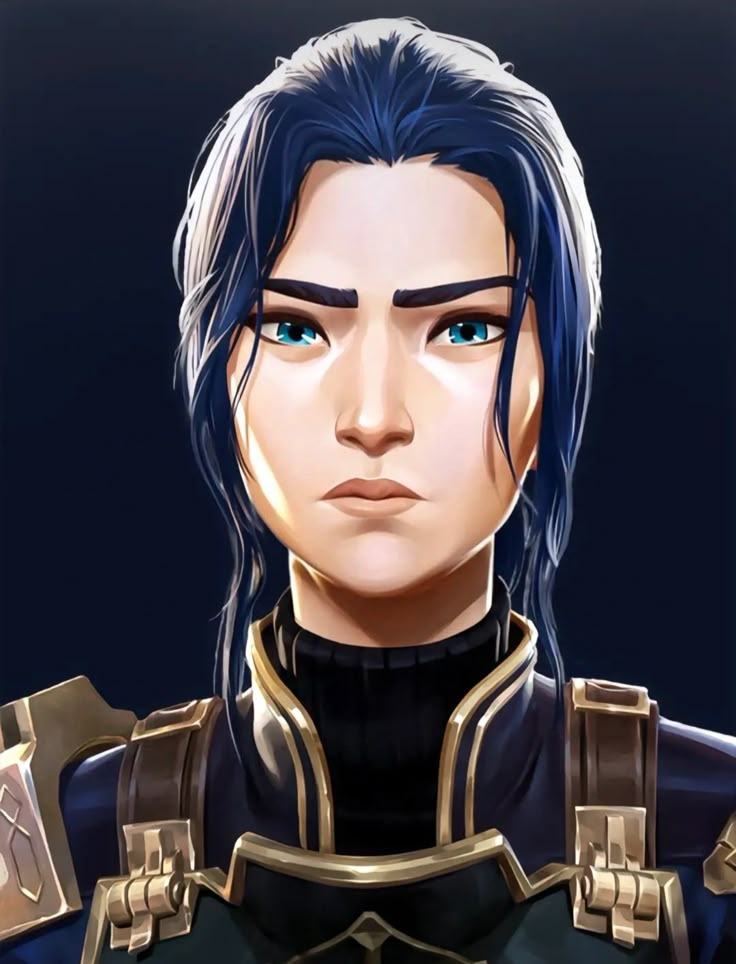
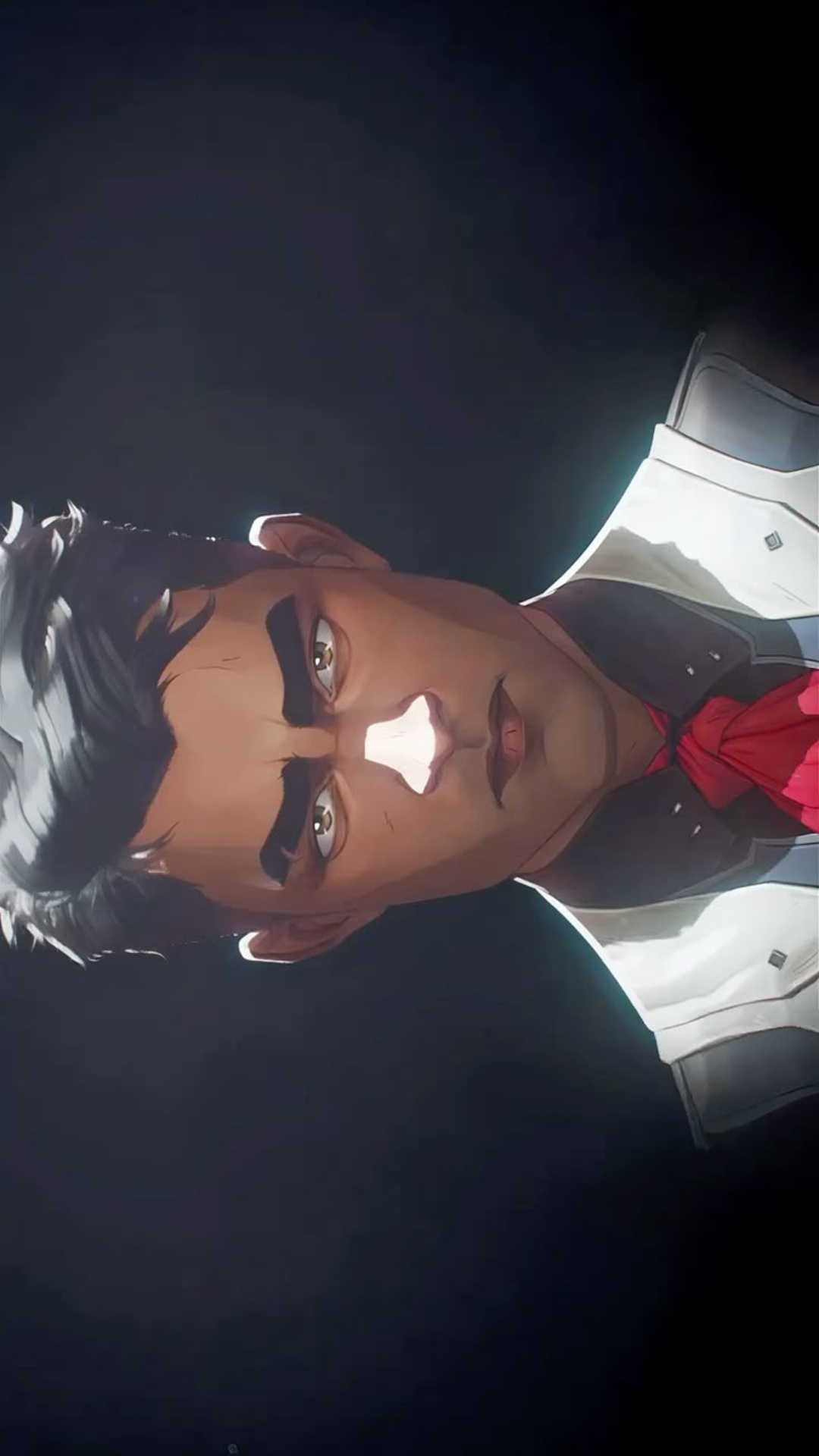
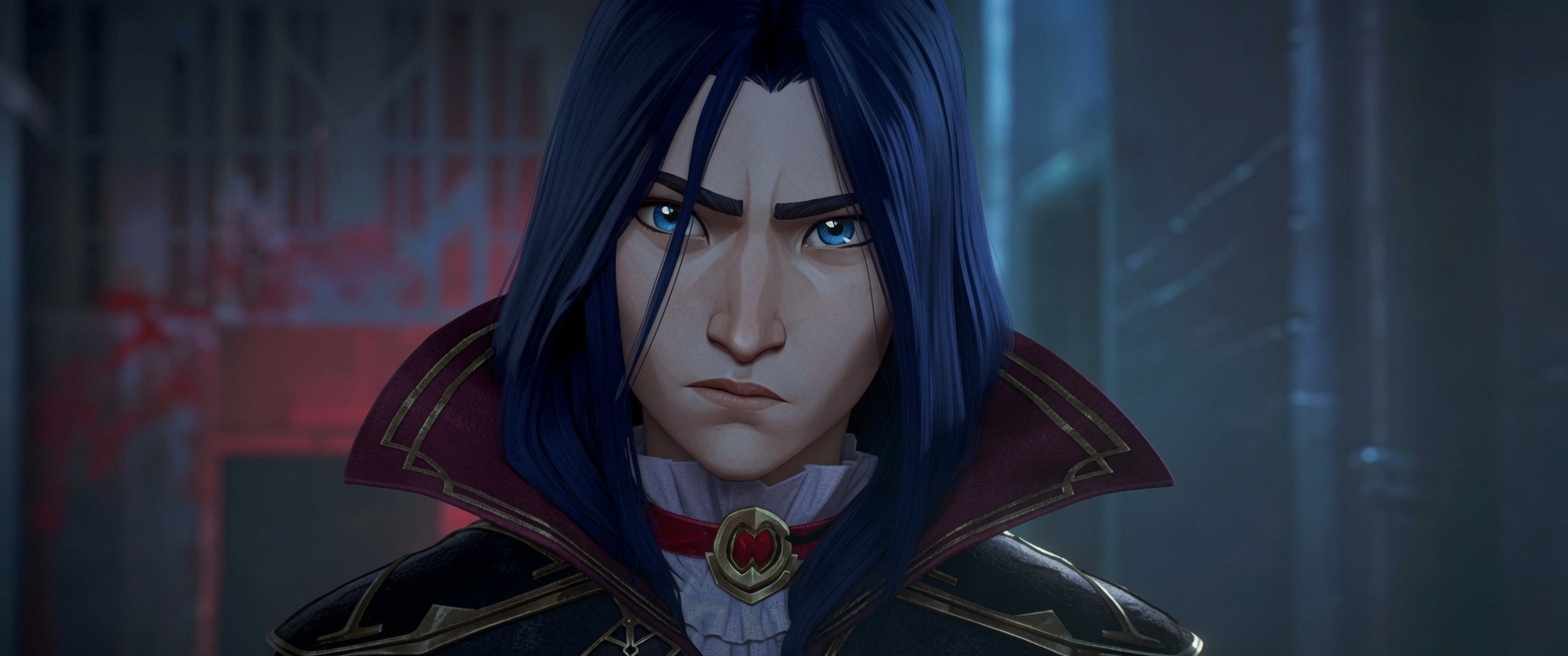
Select a name to view their portrait Vi Jinx Viktor Jayce Silco Caitlyn

Motivation

Every character is driven by a unique purpose. Whether inspired by ambition, justice, survival, revenge, or the pursuit of progress, their motivations shape the choices they make and the paths they follow.

Journey

No journey remains unchanged. Through triumph, failure, sacrifice, and redemption, each character evolves with every challenge they face, leaving a lasting impact on themselves and the world around them.

Piltover & Zaun — a personnel index

Profiles

who they are, before the story bends them

Every profile reveals a different perspective, from ambition and hope to sacrifice and loss. Choose a character to begin exploring their story.

THE UNDERCITY —— Below the Surface

——

Z

aun

/

Main Characters

__

Zaun is a city shaped by resilience, ambition, and the determination of those who call it home. Every individual carries a different purpose, yet their choices are deeply connected, influencing one another and leaving a lasting mark on the city's future. These are the figures whose lives, beliefs, and sacrifices came to define Zaun.

THE CITY OF PROGRESS —— Above The Surface

——

P

iltover

/

Main Characters

__

Viktor

Jayce

Caitlyn

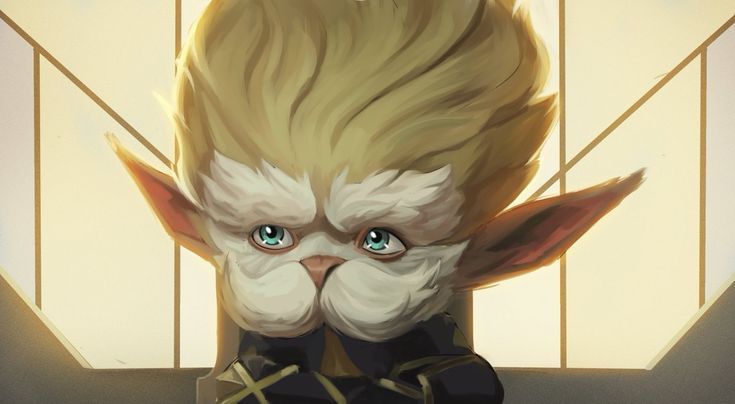
Heimerdinger

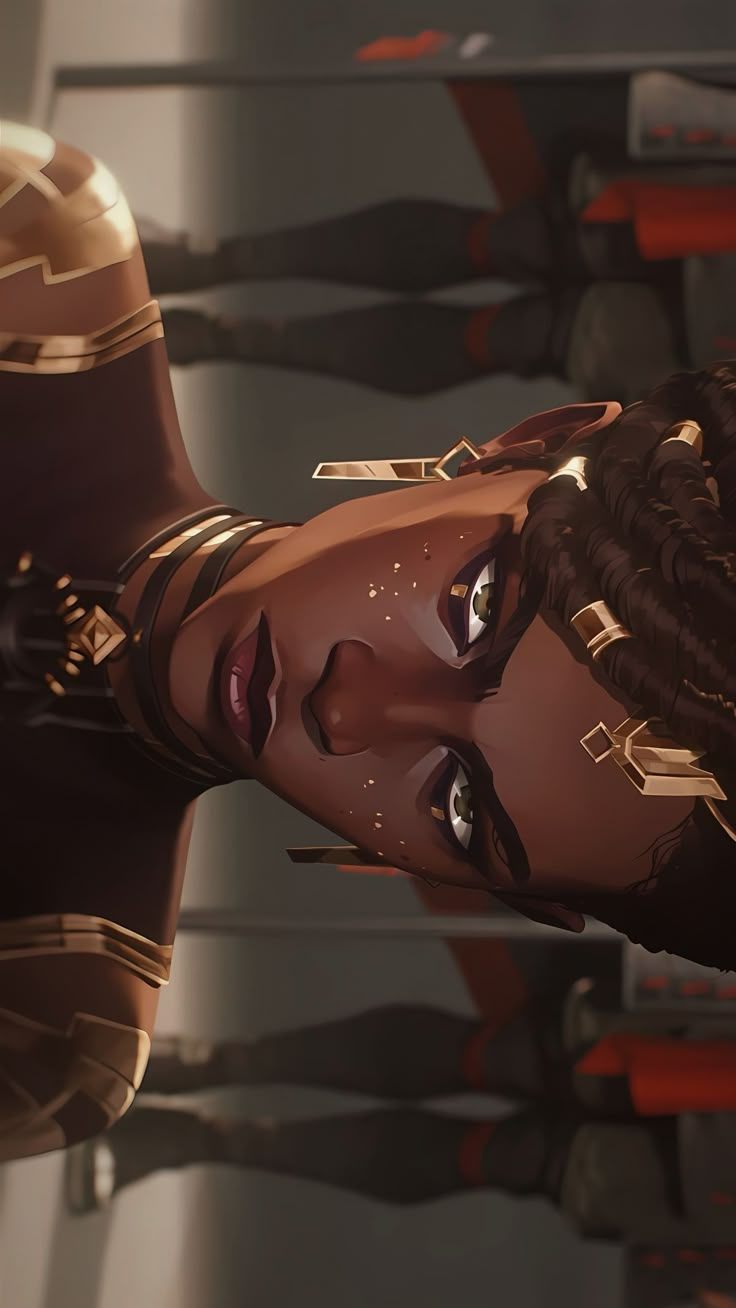
Mel

Built upon ambition, innovation, and the pursuit of a better future, Piltover is home to individuals whose ideas and decisions shaped the city's path. Though united by the same home, each follows a different purpose, leaving a lasting impact through leadership, discovery, sacrifice, or conviction. These are the figures who came to define Piltover.

THE NOXIAN EMPIRE —— Where Strength Prevails

——

N

oxus

/

Main Characters

__

Ambessa Medarda

Mel Medarda

Rictus

Defined by strength, ambition, and relentless determination, Noxus is home to individuals who believe power must be earned rather than inherited. Every choice is guided by purpose, every victory comes with sacrifice, and every leader leaves a lasting mark upon the empire. These are the figures whose lives came to define Noxus.

BEYOND KNOWLEDGE——Beyond What Is Known

——

B

eyond

/

The Known

__

Powder

Warwick

Orianna

Rio

LeBlanc

The Mage

Glorious Evolved

The Herald

Defined by mystery, transformation, and lives that exist beyond the center of the story, these are the figures who inhabit the lesser-known edges of Arcane. Some emerge from forgotten possibilities, some remain hidden behind masks, and others appear only briefly while leaving consequences far beyond their screen time. These are the figures whose stories reveal what lies beyond the known.

__Supporting Characters——

Beyond the central figures are the people who give Arcane its world, its conflicts, and its quieter moments. Shaped by their cities, their loyalties, and the choices around them, these are the characters who may stand at the edge of the story, but leave their mark upon it.

——

zaun

__

A

Amedeo

Chem-Baron associate

Zaun

A

Amedeo

Chem-Baron associate

Amedeo was a minor but recognizable figure within Zaun's criminal underworld, operating alongside the Chem-Barons who controlled much of the city's trade and influence. He was part of the network of smaller associates who helped maintain the undercity's businesses, deals, and illicit operations. Though Amedeo never held the influence of figures such as Silco or the major Chem-Barons, his role reflected how Zaun's power was spread through countless connections beneath its surface. Characters like him helped sustain the system that allowed the Chem-Barons to maintain their wealth and control.

B

Babette

Brothel owner

Zaun

B

Babette

Brothel owner

Babette was the owner of a brothel in Zaun, making her a familiar figure within the Undercity's social and criminal circles. Her establishment served as more than a place of entertainment, becoming a point where information, rumors, and connections often passed between different parts of Zaun. Though she held no formal political power, Babette understood the people and networks around her. Her position gave her a quiet influence in a city where information could be just as valuable as money or power.

B

Benzo

Undercity fixere

Zaun

B

Benzo

Undercity fixere

Benzo was an Undercity fixer and one of Vander's closest allies, running a small shop while helping the people around him navigate Zaun's dangerous streets. He was deeply connected to the community and acted as a trusted figure for those who relied on Vander's protection. Benzo also became an important father figure to Ekko, helping guide the young boy before he eventually became the leader of the Firelights. His death became one of the early losses that showed how quickly Zaun's fragile peace could collapse.

C

Chross

Gang member

Zaun

C

Chross

Gang member

Chross was a member of Zaun's criminal underworld, operating among the gangs and smaller factions that competed for influence throughout the Undercity. Like many low-level figures in Zaun, his power came not from a formal position but from the network of people and businesses surrounding him. His presence represents the countless gang members and minor operators who helped maintain the unstable balance between Zaun's different factions. They formed the lower layers of the criminal system that powerful figures could exploit.

C

Claggor

Mechanice

Zaun

C

Claggor

Mechanice

Claggor was one of Vander's foster sons and a loyal member of Vi's childhood group, known for his strength, patience, and mechanical skills. He often acted as the steady presence within the group, balancing Mylo's insecurity and Vi's impulsive nature. Claggor remained deeply loyal to his friends and family, joining them in their dangerous ventures across Piltover and Zaun. His death during the explosion at Silco's hideout became one of the tragedies that permanently changed Vi and Powder's lives.

D

Deckard

Gang member

Zaun

D

Deckard

Gang member

Deckard was a young gang member from Zaun who became involved with Silco's growing criminal network. He was among the youths who helped enforce Silco's influence in the Undercity, taking part in violent confrontations against those who stood in his way. After being exposed to Shimmer, Deckard was transformed into a much more dangerous fighter. His transformation showed how Shimmer could turn ordinary people into weapons while destroying much of what remained of their humanity.

F

Finn

Chem-Baron

Zaun

F

Finn

Chem-Baron

Finn was one of Zaun's Chem-Barons and a powerful figure within the Undercity's criminal economy. He controlled his own interests and worked alongside other Chem-Barons while competing for greater influence and wealth. Finn was ambitious, arrogant, and quick to recognize opportunities that could strengthen his position. After Silco's death, Finn became one of the figures who challenged Sevika over the future of Zaun. His attempt to seize control, however, ended when Jinx intervened and killed him.

F

Felicia

Zaunite mother

Zaun

F

Felicia

Zaunite mother

Felicia was the mother of Vi and Powder and a woman caught between the harsh realities of Zaun and her hopes for a better life for her children. She and her husband were part of the failed uprising against Piltover, an event that ultimately cost them their lives. Although Felicia appears only briefly, her death shaped the childhood of both daughters. Her loss helped place Vi and Powder under Vander's protection and became part of the history that connected their family to Zaun's struggle against Piltover.

H

Huck

Shimmer addict

Zaun

H

Huck

Shimmer addict

Huck was a shopkeeper from Zaun who struggled with the harsh conditions of life in the Undercity. He became involved with Silco's organization and eventually turned to Shimmer in the hope of gaining strength and improving his situation. Instead, Shimmer gradually changed him, leaving him increasingly dependent on the substance. Huck's story reflects the way Zaun's desperation could push ordinary people toward dangerous choices, while Silco's network profited from the very conditions that kept them trapped.

J

Jericho

Street cook

Zaun

J

Jericho

Street cook

Jericho was a street cook who ran a small food stall in the Undercity, serving as one of the familiar faces of everyday Zaun. His stall became a quiet meeting place where people could eat, talk, and briefly escape the tensions surrounding the city. Unlike the Chem-Barons and gang leaders who shaped Zaun's politics, Jericho represented the ordinary people trying to make a living beneath Piltover's shadow. His presence helped show that Zaun was more than its criminals, factories, and Shimmer trade.

M

Margot

Chem-Baron

Zaun

M

Margot

Chem-Baron

Margot was one of the Chem-Barons who helped control Zaun's criminal underworld and profit from its trade. She operated within the network of powerful figures who divided the Undercity between competing businesses, gangs, and interests. Although she was not among Zaun's most influential leaders, Margot represented the political and economic forces that kept the Chem-Barons in power. Her position showed how deeply organized crime had become embedded in Zaun's society.

M

Mylo

Vander's foster son

Zaun

M

Mylo

Vander's foster son

Mylo was one of Vander's foster sons and a member of Vi's childhood group. He was skilled with locks and often accompanied Vi, Powder, and Claggor on their dangerous adventures. Despite his confidence, Mylo struggled with insecurity and often resented Powder's presence during their missions. His death during the explosion at Silco's hideout became one of the defining tragedies of Vi and Powder's childhood, contributing to the chain of events that separated the sisters.

R

Renni

Chem-Baron

Zaun

R

Renni

Chem-Baron

Renni was one of Zaun's Chem-Barons and a major figure in the city's Shimmer trade. She operated her own criminal interests while maintaining connections with the other Chem-Barons who controlled different parts of the Undercity's economy. Renni was also deeply affected by the death of her son, which intensified her hostility toward Piltover. Her position showed how personal loss and Zaun's political struggles could become intertwined with the city's criminal economy.

S

Scar

Firelight fighte

Zaun

S

Scar

Firelight fighte

Scar was a member of the Firelights and one of Ekko's closest allies in protecting Zaun's people from Silco's influence. He helped lead the Firelights in their efforts to disrupt Shimmer operations and defend the Undercity's communities. Unlike the Chem-Barons, Scar fought to create a different future for Zaun rather than profit from its suffering. His loyalty to Ekko and the Firelights made him an important part of the resistance growing within the Undercity.

S

Smeech

Chem-Baron

Zaun

S

Smeech

Chem-Baron

Smeech was one of Zaun's Chem-Barons and a powerful figure in the Undercity's criminal economy. He controlled his own interests and was involved in the trade and distribution networks that connected Zaun's different factions. Smeech was opportunistic and willing to make deals whenever they could strengthen his position. His role reflected the unstable politics of the Chem-Barons, where alliances could shift quickly as different leaders competed for influence.

——

Piltover

__

B

Bolbok

Councilor

C

Cassandra Kiramman

Councilor

H

Hoskel

Councilor

S

Salo

Councilor

S

Shoola

Councilor

A

Amara

Merchant

E

Elora

Mel's assistant

E

Ettinger

Enforcer

G

Grayson

Enforcer

H

Harrison

Enforcer

L

Lest

Enforcer

M

Maddie

Enforcer

S

Sky Young

Scientist

S

Steb

Enforcer

T

Tobias Kiramman

Architect

——

Outsiders

__

K

Kino Medarda

Noxian noble

Outsiders

K

Kino Medarda

Noxian noble

Kino Medarda was Mel's older brother and the son of Ambessa Medarda, born into one of Noxus's most powerful families. He was expected to carry the family's legacy and was raised within a world shaped by political ambition, military power, and the demands of Noxian nobility. His fate became an important part of Mel and Ambessa's history, revealing the personal cost behind the Medarda family's power. Kino's absence also remained closely connected to the secrets Ambessa carried with her into Piltover.

L

Lady Kiara

Noxian noble

Outsiders

L

Lady Kiara

Noxian noble

Lady Kiara was a Noxian noblewoman and an important figure within the political world surrounding Ambessa Medarda. She represented the powerful interests of Noxus and became involved in the conflict between Ambessa and the forces working against her ambitions. Her confrontation with Ambessa ended in her death, demonstrating the ruthless nature of Noxian politics and the lengths Ambessa was willing to go to protect her interests. Kiara's role also revealed how the struggle surrounding Piltover extended beyond the city's own political world.

Piltover & Zaun — a relational index

Bonds

what holds them together, what tears them apart

Every choice in Arcane is downstream of a relationship. This is a field index of the connections that move the story — filed by kind, not by importance.

I — BLOOD & CHOSEN

Family


Not all of it is blood. Some of it is a hand pulling you out of the river.

Jinx & Vi

Family — File Case

Jinx & Vi

Sisters

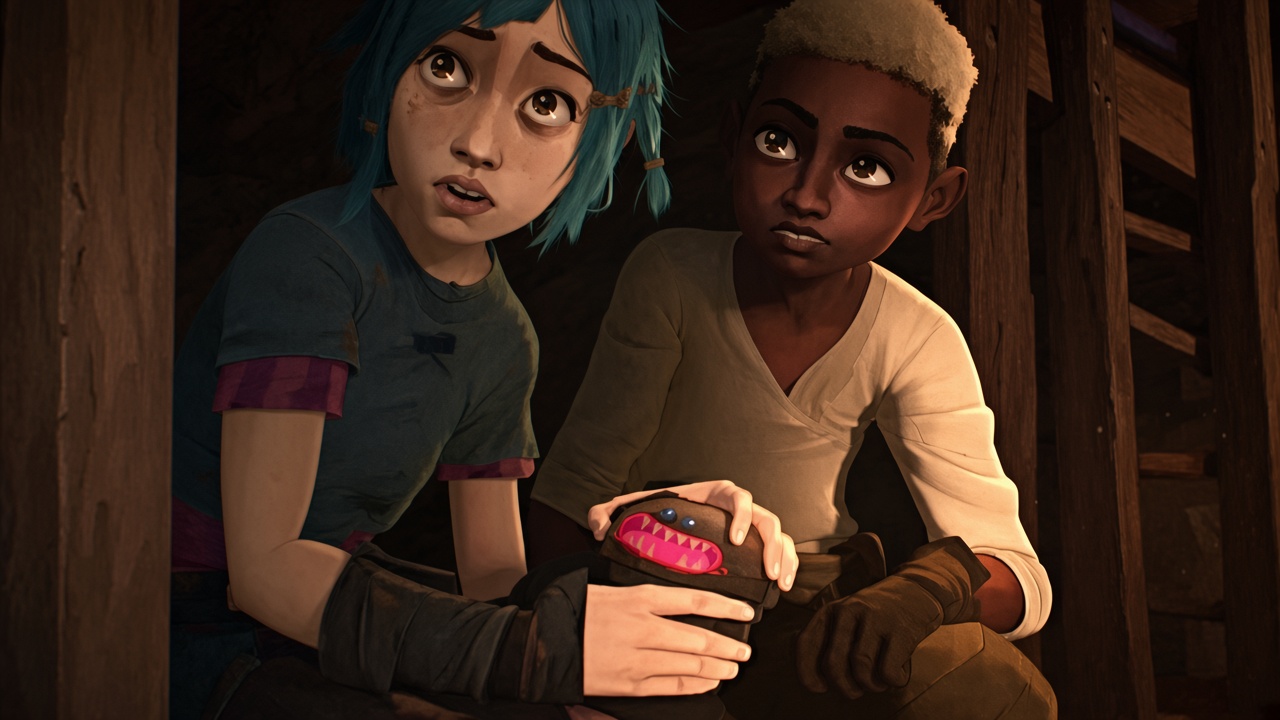
Before either name meant what it means now, they were just two kids sharing one mattress in the same cramped room above the Lanes. Vi was six years older and acted like it — she threw the punches so Powder wouldn't have to, ate less so there'd be more for her, slept closest to the door on the nights Vander's rules weren't enough to keep the Lanes out. Powder noticed things Vi never had the patience for: which wire was live, which crate would hold your weight, which adult in a room was worth watching and which one wasn't. Neither of them called it a system. It just worked, the way things a kid builds out of necessity tend to.

It wasn't an equal trade — Vi gave protection, Powder gave a kind of attentiveness that read almost like magic to everyone around her — but it never needed to be equal. That's what made it easy. Before there was anything to prove or defend, there was just this: one sister keeping watch, the other one figuring out the world's smaller mechanics, both of them assuming, without ever saying it out loud, that the other one would still be there tomorrow.

Bound

Being sisters was where it started. What made them inseparable was the work. On every job, Vi took the front — the fight, the risk, whatever stood between Powder and getting hurt. Powder took the part Vi had no patience for: rigging the device, reading the room, finding the way in nobody else saw. Neither role worked without the other, and over enough jobs pulled the same way, that stopped being a plan and started being just how the two of them operated.

It showed most in the small habits neither of them had to think about — Vi never checking whether Powder was behind her, because she already knew; Powder never hesitating before handing over something that could blow up in the wrong hands, because it wouldn't occur to her that Vi's hands were the wrong ones. That's what "bound" meant here: not a promise either of them made out loud, just certainty neither had ever had to test — until the one night that certainty was the thing on the line.

The Shattering

The job that was supposed to be like every other job wasn't. Powder's device went off when it shouldn't have, and in the chaos that followed, Vander was killed and Vi was taken by the enforcers — arrested and dragged away in the same night Powder was left standing alone in the wreckage of everything the two of them had built together. There was no argument, no goodbye, no moment either of them got to choose. One version of their partnership ended mid-motion, the way accidents end things, not the way stories usually let them.

What Powder was left with wasn't just grief — it was the specific, corrosive belief that she had caused it. Vi wasn't there to tell her otherwise, and the person who was — Silco — had every reason to let that belief take root instead of correcting it. The girl who used to hand Vi anything without hesitation now had no one to hand anything to. That absence is where Jinx starts.

The Search for Powder

Years later, out of custody and back in Zaun, Vi doesn't look for a rival gang leader or a wanted criminal — she looks for her sister, using the only name she's ever known her by. That gap is the whole tragedy of this chapter: everyone around Vi already knows Powder as Jinx, and Vi has to catch up to a version of events she wasn't present for. She asks about Powder in rooms where the answer is Jinx, and gets treated like she's either naive or dangerous for not already knowing it.

The trail she follows keeps leading back to one name, one reputation: a feared, erratic figure operating under Silco's protection, someone Zaun has learned to fear rather than pity. Piece by piece, Vi has to accept that the stories aren't about a different person who happens to share her sister's face — they're about Powder, changed by four years Vi wasn't there for. Reconciling the two is the hardest part of the search, harder than finding her at all.

When she finally finds her, the reunion isn't the relief it should be. Jinx meets her armed, guarded, and unconvinced that "Vi's sister" is still a role she fits. Vi keeps reaching for Powder anyway, even as the person in front of her keeps making it clear that reaching might not be enough anymore.

What Endured?

Not the old certainty — that much is gone, and neither of them pretends otherwise. What's left is smaller and harder to name: Jinx still knows exactly who Vi is to her, even when she's pointing a weapon in her direction. Vi still won't let go, even when letting go would be easier. That's not the bond they had as kids. It's what's left of it after everything that broke it.

It shows up less in what either of them says and more in what Jinx does when it counts. For all her instability, all the ways she pushes Vi away or turns a gun on the people around her, when a moment comes down to a choice between Vi and everything else, Jinx keeps choosing Vi. That's not forgiveness, and it's not the relationship healing — it's just proof the old wiring never fully disconnected, even under everything built on top of it since.

Vi & Vander

Family — File Case

Vi & Vander

What She Understood

Vi was old enough to know what was actually happening when Vander took them in — not just that they'd been given somewhere to stay, but that a man with his own rules and his own reasons had decided, deliberately, to make room for them. She understood his position in Zaun well enough to know that choice cost him something, in a way Powder, younger and further from the reasoning behind it, simply couldn't yet. That understanding didn't stay one-directional for long — Vi started paying attention to what his protection required of him, the risks he carried and the trust he was extending, and began treating his household as something worth holding up her end of, rather than something owed to her.

That was the difference between how the two sisters entered his life. Powder inherited a home. Vi recognized one being built, in real time, around a decision Vander didn't have to make. Being part of his family meant she'd been given something. It also meant she now had something worth protecting — a distinction that would come to define most of what came after.

Raised to Endure

Vander didn't simply tell Vi to be strong — he built situations where her strength was needed, and let her step into them. Restraint, when to fight and when not to, how to stand between danger and the people behind her: these weren't lessons delivered as speeches. They were expectations she grew into because he treated her as someone capable of meeting them, again and again, until meeting them stopped feeling like something she was being tested on and started feeling like who she was.

That wasn't a judgment on Powder, just a difference in what age made possible. Vi was old enough to be relied on, so Vander relied on her — not as a lesser form of affection than the patience he showed her sister, but as its own kind of trust, suited to what Vi could actually carry. He wasn't preparing her to suffer. He was preparing her to be someone others could stand behind.

The cost of that preparation was quiet enough that it probably didn't look like a cost at all, not at the time. The same lessons that made her someone Vander could hand real weight to also taught her, without either of them meaning it, to carry things herself rather than hand them to someone else. Being dependable and being alone with a problem started, slowly, to feel like the same skill.

The Weight

Being the one Vander could count on stopped being just strength and started being responsibility — looking after Powder, making the call when something went wrong, stepping forward before anyone asked her to. Vi didn't resent it. She wanted to live up to what he'd taught her, and every time she did, the expectation that she'd keep doing it settled a little deeper.

That's where trust like Vander's has a cost nobody names out loud: Vi came to believe that carrying things herself wasn't just something she was good at, it was what she was for. Being dependable had started as something he built in her. By the time it mattered most, it had become something she expected of herself, whether or not anyone was actually asking.

None of this makes Vander responsible for what it cost her — he never meant to teach her that she had to shoulder everything alone, and most of what he gave her was exactly what she needed to survive Zaun. He just never got the chance to teach her the opposite lesson, the one about when it's alright to put something down, before the night arrived that asked more of her than being strong could answer.

The Last Night

Vi went looking for Vander the moment things started going wrong — her instinct wasn't to run, it was to fix it: get him out, keep Powder safe, hold the situation together the way she'd been trained to, the instinct Vander built into her precisely for nights like this one. It wasn't enough. She found him at the center of exactly the danger she'd been trying to pull him out of, and there was nothing left to do that would undo it — everything she'd been raised to be colliding directly with a situation that couldn't be fixed by stepping forward at all.

Then came the enforcers, and Vi was taken before she had the chance to process what she'd just lost, let alone find Powder in the chaos that followed. She didn't choose to leave her sister behind. She simply ran out of time to do anything else — and unlike Powder, she wouldn't even learn what happened next for years.

What Was Taken

Vander was the first loss — the man who raised her, gone in a single night she hadn't been able to prevent no matter how fast she'd moved. For Vi, that loss wasn't tangled with guilt the way it was for Powder. It was closer to failure: the one person she'd been trained to protect, and she hadn't been there in time, despite everything he'd built her to be capable of.

The second loss took longer to even register. Locked away with no way to know what had happened to Powder, Vi carried both absences at once — one she understood completely, and one she wouldn't understand at all until she got out and started looking. She'd been raised to endure danger, responsibility, even loss. Nothing had prepared her to endure not knowing what had happened to the other person she'd been raised to protect — a gap she carried out of prison, years later, still unresolved.

Powder & Vander

Family — File Case

Powder & Vander

Taken In

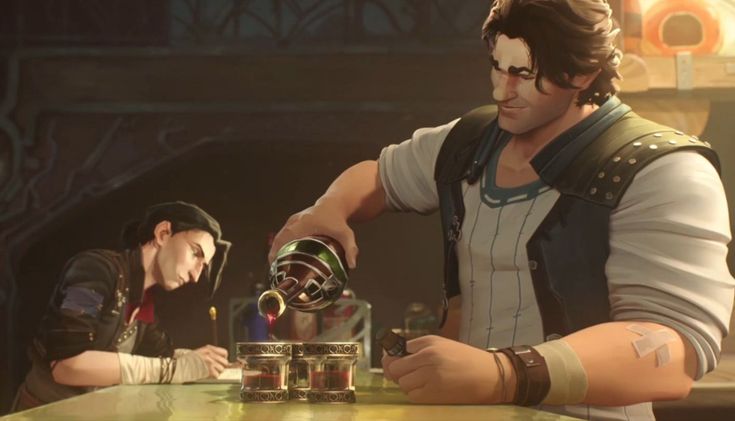
Vander didn't have to take in two more mouths to feed. Zaun didn't reward that kind of softness, and he'd seen enough of what the fight against Piltover cost to know it better than most — the version of him that ran the Last Drop had learned that lesson the hard way, not decided it lightly. But when Vi and Powder had nowhere else to go, he made room for them anyway, alongside Mylo and Claggor, and never once made them feel like they owed him for it.

For Powder specifically, being taken in meant something a little different than it did for Vi. Vi was old enough to understand what was actually happening — that she and her sister had been given somewhere to land, and that Vander was choosing, deliberately, to give it to them. Powder was younger, small enough that his house wasn't an arrangement she was old enough to recognize as one. It was simply where she was from.

He never made her feel like her place there was conditional, either — not something she had to keep earning, not a kindness that could run out. Taking in children who weren't his own wasn't a departure from the man Vander had become after turning away from violence — it was consistent with him, one more way of building something instead of tearing it down. Powder never had reason to doubt she belonged in the middle of it.

The Patient One

What Powder needed most wasn't protection from consequences — it was someone who wouldn't treat her as a problem to be managed. Her tinkering was the clearest place that showed up: sparks, smoke, the occasional small disaster whenever she took something apart and didn't quite get it back together right. Mylo and Claggor treated it as something to mock her for. Vander didn't.

His rules about safety and about what the household could afford to lose still applied to her the same as anyone — his patience was never the same thing as no boundaries at all. But where the others saw a mess waiting to happen, he saw a kid figuring out how things worked, and made room for that instead of shutting it down. It wasn't the tinkering itself he was patient with. It was her.

That difference mattered more than it might have looked from the outside. Being teased for the same thing Vander quietly accepted taught Powder two versions of how she was seen under one roof — and his was the version she trusted enough to keep building in front of.

The One Exception

Vander's rules existed to keep his family alive, and he expected all of them — Vi, Mylo, Claggor — to answer to what he judged Zaun would and wouldn't let them get away with. Powder was the one his own instincts bent around, even when he never named it as an exception at all.

It showed less in anything he said than in the shape of what he allowed each of them to face. Vi grew up expected to hold her own — to fight, to take a hit, to be tough enough that Vander could rely on her the way he relied on Mylo and Claggor. Powder never carried that same expectation. She was younger, smaller, still enough of a child that Vander's protectiveness didn't ease as she grew the way it eased with the others; if anything, the gap between how he treated her and how he treated Vi only became more visible as Vi got older and Powder, in his eyes, seemingly didn't. It wasn't that he thought less of what Powder could do. It was that some part of him kept measuring her against how young she'd been when she first came into his house, long after the rest of the household had stopped measuring her that way.

Vi noticed the difference and resented it more than once, certain it meant Vander saw Powder as something to shield and her as something to toughen. Powder rarely registered it as a double standard at all. To her, it simply looked like being cared for — which, in its way, it was.

The Last Night

The job that was supposed to be like every other job wasn't. Powder's device went off when it shouldn't have, and Vander was killed in the chaos that followed — caught between the fallout of her mistake and the enforcers it brought down on all of them. There was no last conversation, no chance for either of them to make sense of what had happened before it was over.

For Vi, that night meant losing the man who raised her. For Powder, it meant something heavier: losing him in a way she couldn't separate from her own hands on the device that triggered it. The two losses look the same from the outside. They didn't feel the same from where she was standing.

Everything Vander had spent years building around her — the patience, the instinct to shield her first, the sense that she was safe simply by being his — ended in the same instant, and by the same cause. What replaced it wasn't just grief. It was grief with nowhere to put itself except on her.

What She Carries

Grief alone would have been hard enough. What Powder carries instead is grief tangled up with blame she reaches for on her own, well before anyone else has the chance to talk her out of it — the device was hers, the mistake was hers, and with Vi gone in the same night, there's no one left who might have told her otherwise before the belief had already settled in.

That's the child Silco finds when he takes her in — not someone he's already working to break, but someone already broken in a specific, exploitable way. Their relationship grows from there, not from a plan he arrives with. It's only over time, as he shapes what she becomes, that the guilt she walked in with stops being something she carries and starts being something closer to who she is. He didn't have to convince her she was responsible. He only had to decide what to do, eventually, with a kid who already believed it.

Jinx & Silco

Family — File Case

Jinx & Silco

The One Who Stayed

Powder didn't come to Silco whole and get broken by him. She arrived already carrying the belief that she'd destroyed everything — Vander, the only home she'd known, the sister who'd been taken before either of them could say a word to each other. Silco didn't put that guilt there. He simply didn't leave once he found her holding it.

That was the whole of what drew her to him, at first — not ideology, not manipulation, just the fact that everyone else who mattered was gone and he wasn't. He recognized something in her he'd lived himself: what it costs to be betrayed and discarded by people you trusted. Two damaged people finding something familiar in each other isn't the same as one shaping the other from nothing. That part came later. This part was just Silco staying when staying was the only thing that mattered.

Like a Daughter

What grew between them wasn't a leader collecting a useful weapon. Silco raised her — taught her, protected her, trusted her with more than he trusted most of the people who'd been loyal to him for years. The things that got her mocked or feared elsewhere, the inventing, the instability, the sharp edges other people flinched from, he found a place for instead of a cure.

None of that erases what else he was. His love for her existed in the same man capable of the violence and control that ran Zaun's underworld, and he never separated raising her from shaping her to see the world the way he did. That's not a contradiction he resolved. It's just what the relationship actually was.

And it went both ways. Jinx's loyalty to him wasn't fear dressed up as devotion — she loved him, plainly, the way a kid loves the one adult who never once treated leaving as an option. Silco gave her the thing Vander's death had taken: certainty that someone would stay. That certainty is what she was actually loyal to.

Made Jinx

No single person made Jinx. Vander's death made her. Vi's disappearance made her. Years of guilt, trauma, and a city that gives kids very few soft places to land made her. Silco's role wasn't authorship — it was reinforcement. He didn't invent the belief that trust gets you hurt or that weakness gets exploited. He confirmed it, gave it a name, and gave the girl who already believed it a place to become someone built around that belief instead of buried under it.

The name itself mattered more than it might look like from outside. Being Jinx wasn't just a rebrand — it was Silco handing her an identity that came with acceptance attached, on the condition that she kept being exactly the person that identity described. Powder had been someone who might be forgiven. Jinx was someone Silco had already decided didn't need forgiving, as long as she stayed his.

That's why his approval mattered so much more than power alone could explain. She wasn't chasing his authority. She was chasing the same reassurance every version of this relationship had been built on from the first day: that she was still his, and that this time, nobody was leaving. Silco didn't build that need in her out of nothing. He answered a need that already existed — and in answering it, over and over, he became inseparable from who she turned into.

The Fear of Losing Her

Vi's return didn't just threaten Silco's plans — it threatened the one thing he'd built his entire relationship with Jinx around: the certainty that he wouldn't be left. He understood exactly what he was looking at, because he'd never stopped watching for it. Jinx still loved her sister. That love hadn't been erased by anything he'd given her, only buried under it.

So he did what someone who knows abandonment intimately does when it comes near again: he tightened his grip instead of loosening it. His protectiveness curdled into control, and Jinx's own paranoia and instability gave him plenty of ground to justify it on. Not because he stopped loving her — because loving her had always meant, to him, keeping her close enough that leaving wasn't an option. The question underneath all of it was never simple. It wasn't just which person Jinx would choose. It was which version of herself she could survive being, without losing the one person who'd never once let go.

The Choice

Everything came down to the thing Silco had spent years bracing against: the daughter he'd saved, choosing the sister who'd left her. He'd built a life on the belief that love and survival couldn't coexist — that staying safe meant staying in control, and control meant never letting the people you loved get close enough to leave.

In the end, faced with losing her anyway, he chose her over the goal he'd spent his life pursuing. That doesn't undo what he did to get there, or make his death a redemption — he stays responsible for everything that came before this moment, the damage as real as the love. Both things are true at once, inconveniently, the way they were the entire time.

What he leaves Jinx with is the same wound in a new shape: someone she loved is gone, and she's the one left standing in it, again. But Silco doesn't disappear with his death the way Vander did. His worldview stays lodged in her — the belief that trust is dangerous, that weakness gets exploited, that being left behind is the one thing that must never happen again. He's gone. What he taught her isn't.

Vander & Silco

Family — File Case

Vander & Silco

Brothers in the Cause

Before either of them was defined by what came after, Vander and Silco stood on the same side of the same fight — not just allies working toward the same outcome, but close enough to call each other brothers. Both wanted Zaun free of Piltover's grip, and for a long while, that shared want was enough to make every other difference between them feel small.

It wasn't nothing, though. Even inside the friendship, the seed of what would split them was already there. Vander carried a growing unease about what the fight cost the people it was supposedly for. Silco stayed fixed on the cause itself, willing to let the cost climb if the cause demanded it. Neither of those instincts had won out yet. They were just two ways of caring about the same future, sitting side by side, not yet forced to choose between each other.

The Divergence

The split didn't arrive as betrayal — it arrived as two honest answers to the same question, pulling further apart the longer both men held their ground. Vander started asking what good freedom was if the people being freed didn't survive to see it. Silco started asking what survival was worth if Zaun never became more than a place to merely endure.

Vander chose stability — protecting the Zaun already in front of him, imperfect and intact, over one burned down in pursuit of something better. Silco read that choice as surrender, a brother stepping back from the fight at the exact moment it mattered most. Neither man changed overnight. They just kept answering the same question differently, until the distance between the answers became the whole relationship.

The Betrayal

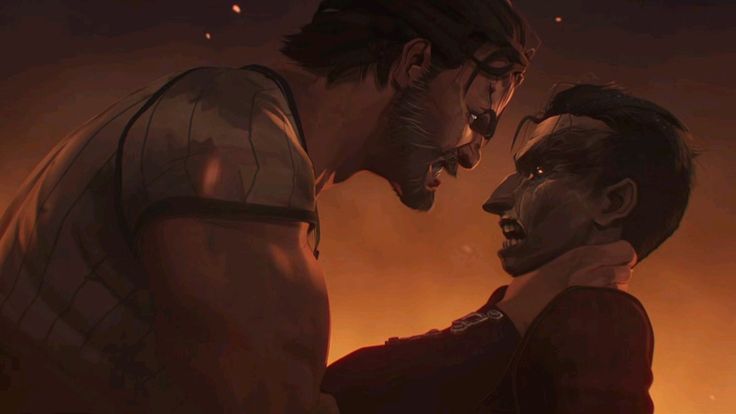
Disagreement is survivable between brothers. What happened next wasn't just disagreement — Vander turned against Silco directly, moving to stop him rather than simply part ways with him. However justified it looked from Vander's side, protecting the people caught between them, Silco didn't experience it as politics. He experienced it as the one person who'd stood beside him choosing to end him instead.

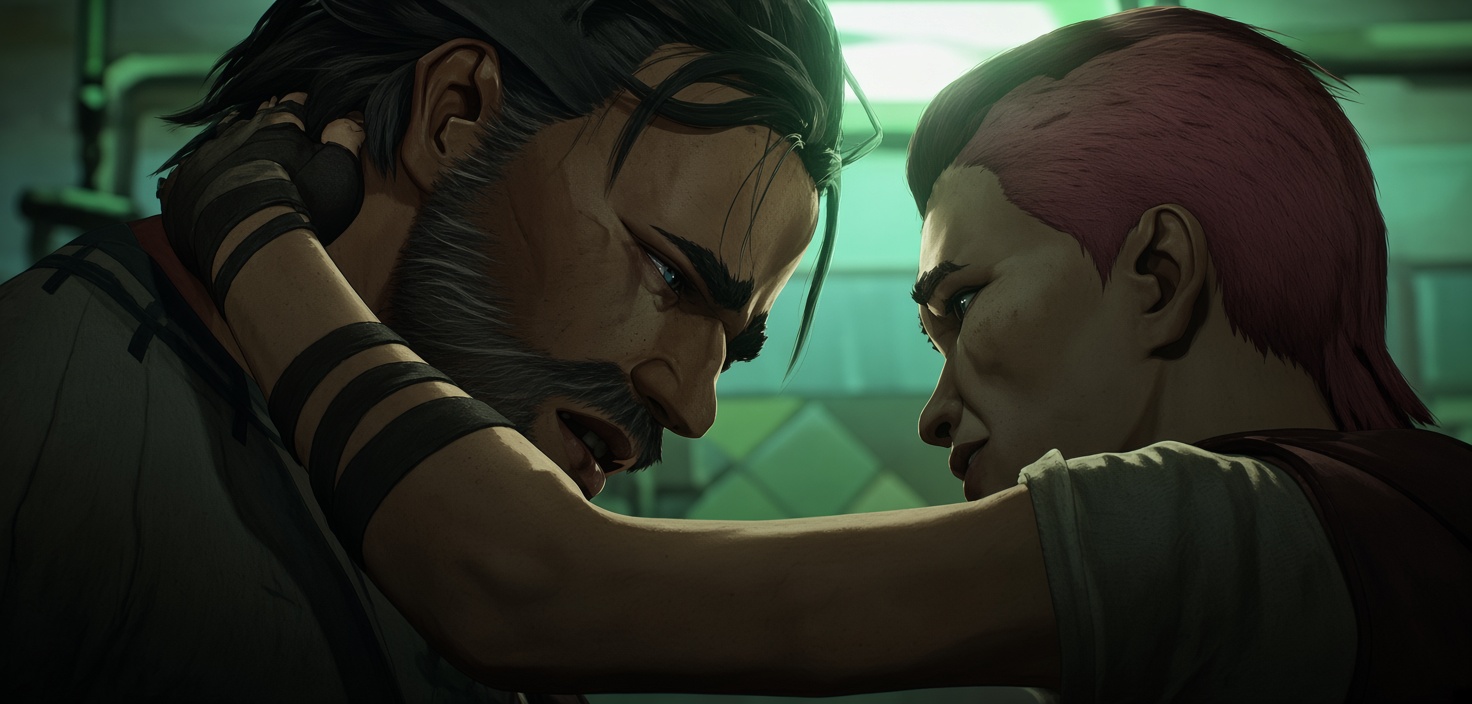
The near-drowning that followed became more than an injury. It became the defining fact of everything after — a wound Silco carried in his voice for the rest of his life, permanent proof that the brother who once fought alongside him had, in the end, tried to drown him rather than let him keep fighting.

Neither man walks away from this moment clean. Vander did what he believed necessary to stop a future he thought would cost Zaun too much. Silco survived believing Vander had chosen comfort over him, the cause, and everything they'd once shared. That's the exact point where disagreement stopped being ideological and became personal, permanently.

What Remained

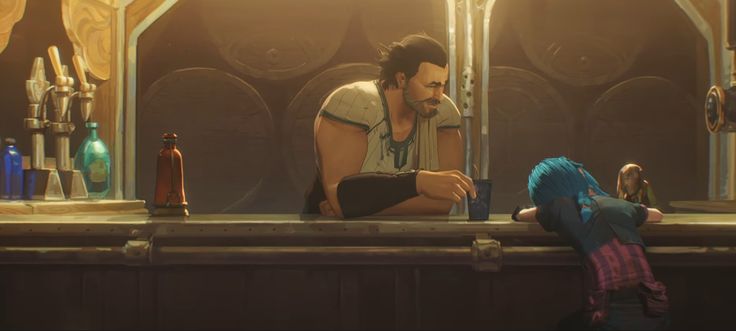
Years later, they lived on opposite sides of a city they'd once tried to save together. Vander built the Last Drop and filled it with children who weren't his — Vi, Powder, Mylo, Claggor. Silco built power of his own and never let go of the dream the two of them used to share, even after everything that had happened between them.

What makes this stretch of their history tragic isn't distance — it's how little distance actually did. Silco understood exactly what Vander had given up when he stepped back from the fight. Vander understood exactly what Silco was still willing to sacrifice to keep it going. Neither of them had to guess at the other's reasoning anymore, because they'd once shared it themselves.

That's what made them dangerous to each other in a way strangers couldn't have been. Enemies who've never known each other can be reduced to threats. Vander and Silco never had that luxury — every move one made, the other could read as clearly as his own reflection, because for a while, it had been.

The Last Stand

Their conflict finally reached the point neither of them could keep deferring. Vander moved to protect the children in front of him and stop Silco from taking the rest of the Undercity. Silco moved to secure the future he still believed Zaun deserved, whatever the immediate cost. It was the same argument they'd been having since the divergence, now with nowhere left to retreat to.

Vander died in that confrontation. Silco survived it, but nothing about the outcome played as a clean victory — the fight cost him the last living link to the man he'd once called brother, the one person who'd known him before any of this, before the scar, before the empire, before Jinx.

What Silco carried forward from that loss didn't stay contained to grief. It shaped how tightly he held on to what came after — Jinx most of all. He'd already lost one person he loved to a choice he couldn't undo. Everything he did afterward carries the quiet insistence that it wouldn't happen a second time.

Singed & Orianna

Family — File Case

Singed & Orianna

His Daughter

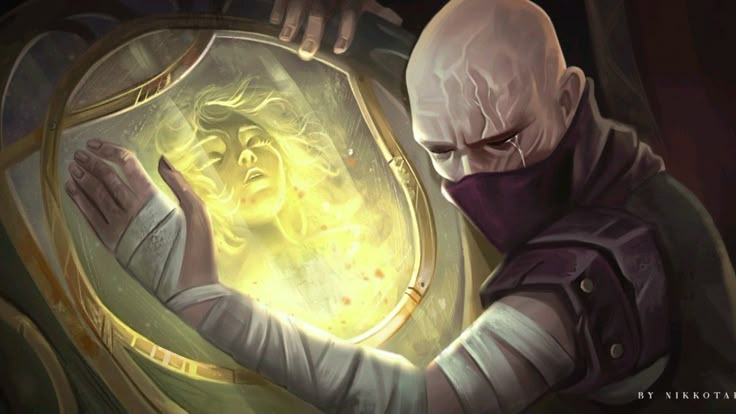
Before Singed became the man most people in Zaun knew only as a chemist, he was Dr. Corin Reveck — and Orianna was his daughter. The distinction matters because the work he eventually became known for wasn't born from some abstract fascination with pushing science past its limits. Whatever else Singed became, the beginning of this story is much simpler: there was a girl he loved, and he could not accept losing her.

What the series shows of their life together is deliberately limited, but the traces it leaves behind make the relationship unmistakably personal. In Singed's hidden room, Orianna is not presented as a specimen or a piece of research. There is a preserved photograph of her, reminders of the life she had before illness, and the remains of the father who spent years trying to find a way past the thing medicine could not defeat. His science eventually became inseparable from that purpose, but the purpose came first: not discovery for its own sake, but his daughter.

The Illness

Orianna's illness changed the question Singed was trying to answer. Before it, his work could remain a pursuit of knowledge — something difficult, dangerous, and sometimes ethically questionable, but still separate from the person he loved most. Once Orianna's life was threatened, that distance disappeared. The problem was no longer theoretical. It had a face, a name, and a place in his own home.

He refused to accept that illness had to end with her death. When ordinary medicine could no longer give him an answer, Singed began looking elsewhere, pursuing methods that took him further from the limits of conventional science. His work became less about understanding what was possible and more about finding something that could keep his daughter alive. The further he went, the harder it became to separate the scientist searching for an answer from the father who simply could not accept the alternative.

Eventually, Singed placed Orianna in a state of suspended preservation, keeping her alive while he continued searching for a way to overcome the illness that had taken everything else from them. She was no longer living the life she had known, but she was not gone either. That uncertainty became the space in which Singed continued his work for years, treating death not as something inevitable, but as a problem he had not yet solved.

The Price of Saving Her

Saving Orianna stopped being a question of whether Singed could find an acceptable treatment and became a question of what he was willing to sacrifice to find any treatment at all. The boundaries that might have mattered when his work was simply research became harder to defend once the alternative was losing his daughter. Knowledge was no longer valuable because it was knowledge. It was valuable because somewhere inside it might be the answer he needed.

That is where the relationship becomes morally complicated. Singed's love for Orianna is genuine, but it does not make the choices that follow harmless. The same devotion that keeps him searching also gives him a reason to justify methods he might otherwise have rejected. Other people can become part of the cost of preserving one life, while Orianna remains the person whose life makes that cost seem worth paying to him.

Singed therefore becomes difficult to separate into two simple versions of himself: the father who loves his daughter and the scientist willing to cross terrible boundaries are the same person. His love does not excuse what he does, but neither can his actions be understood properly without it. The tragedy is precisely that the thing most human about him becomes inseparable from the part of him capable of abandoning ordinary limits in order to keep her alive.

The Transformation

By the time Singed finally found a path toward bringing Orianna back, saving her no longer meant returning the daughter he remembered to the body she had once inhabited. Years of illness and the measures taken to keep her alive had already changed what survival could mean. The goal had shifted from restoring what was lost to preserving the person who remained, even if the form that person returned in was something neither of them could have imagined at the beginning.

The transformation is therefore more than a scientific achievement. It is the final consequence of the choice Singed made years earlier when he refused to accept her death. The research, the experiments, and everything he was willing to become had been moving toward this one possibility: that Orianna could exist again. He succeeded, but not by undoing what happened to her. He found a way forward through it, turning survival into something fundamentally different from simply getting her old life back.

When Orianna finally emerges in her new form, Singed is there behind her, watching rather than celebrating. The moment is strangely quiet for something he spent so long pursuing. There is no speech explaining whether the price was worth it, and no easy answer about how much of the girl he once knew remains unchanged. There is only Orianna alive again, and a father who spent years trying to defeat death finally looking at the person he refused to lose.

Mel & Ambessa

Family — File Case

Mel & Ambessa

Her Daughter

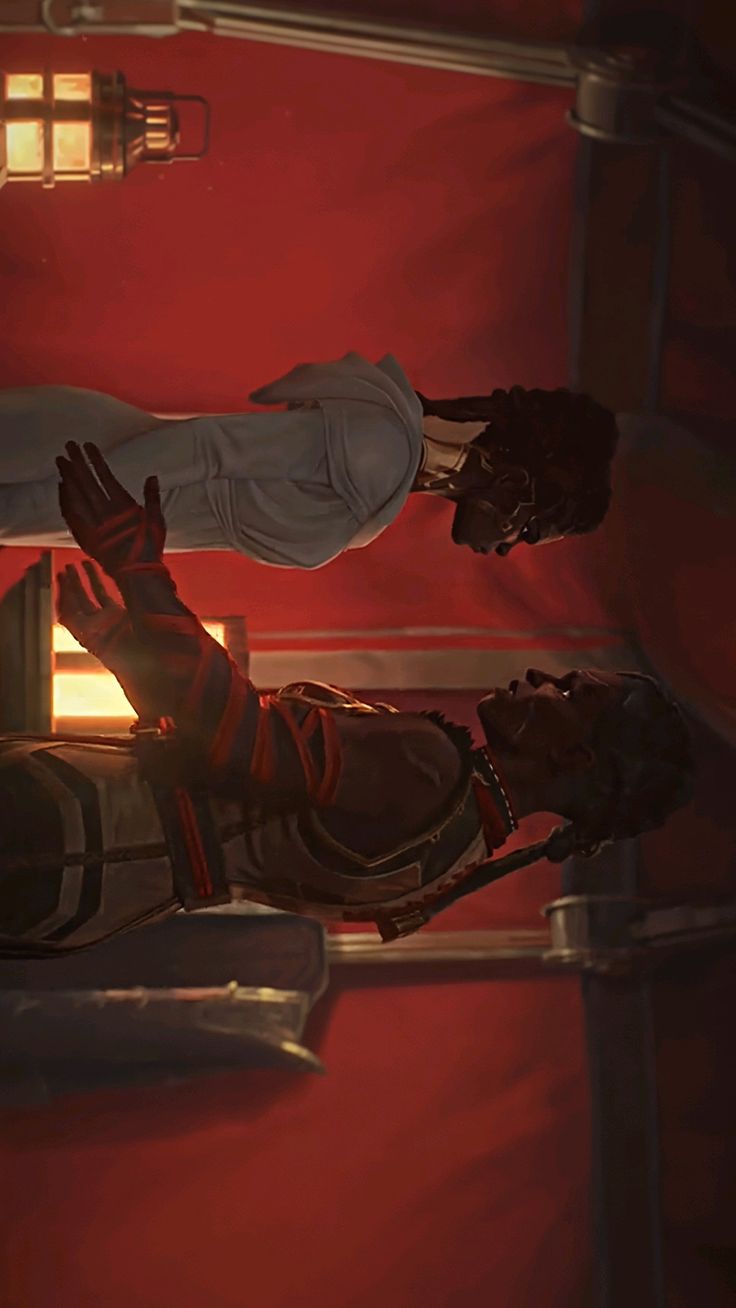
Ambessa never treated Mel as someone who needed to be sheltered from the world. She treated her as someone who would eventually have to survive it, and that difference shaped almost everything between them. Mel was her daughter, but she was also the child Ambessa believed could understand power, recognize danger, and eventually stand on her own when no one else could protect her. The expectations were heavy, but they came from a mother who saw something in Mel worth preparing for rather than simply keeping safe.

That preparation was Ambessa's way of loving her, even when Mel did not always experience it as love. She wanted her daughter to be strong enough that no ruler, enemy, or family member could decide her fate for her. Yet Ambessa's idea of strength came from a life where hesitation could cost everything, while Mel was growing toward a different understanding of what strength could look like. The distance between them was already there, but so was the bond underneath it: Ambessa wanted Mel to survive, and Mel knew that much of what her mother demanded came from wanting her to remain strong enough to do so.

Raised for Power

Ambessa taught Mel that power was not something a person could afford to misunderstand. In her world, strength protected what weakness could not, and knowing when to act mattered as much as knowing what to say. Mel learned to read people, recognize leverage, and understand the interests hidden beneath polite words. These were not lessons Ambessa delivered as abstract philosophy. They were the habits of survival she had carried for herself and now expected her daughter to carry too.

But Mel did not simply become the person Ambessa was trying to raise. She absorbed the lessons while questioning the conclusions behind them. She understood that influence could be more effective than force, that persuasion could accomplish what violence could not, and that power did not have to announce itself through fear. The irony was that Ambessa had given Mel the very confidence she would later use to challenge her mother's understanding of power.

That difference did not mean Ambessa had failed to raise her daughter as intended. Mel became formidable precisely because she had learned from Ambessa, even when she rejected parts of what she had been taught. She could enter rooms where stronger personalities expected to control the conversation and quietly change what everyone thought was possible. Ambessa had wanted a daughter who could survive powerful people. She had succeeded, even if Mel was becoming someone who intended to survive without becoming one of them.

The Distance

The difference between them became harder to ignore as Mel grew into her own idea of power. Ambessa believed survival required strength that could be seen and feared when necessary. Mel preferred influence that worked quietly, through alliances, persuasion, and an understanding of what people wanted before they realized they were being moved. Neither of them was naive about the world. They simply believed different things about what a person had to become in order to survive it.

Ambessa saw Mel's restraint as a vulnerability that enemies would eventually exploit. Mel saw her mother's willingness to use force as a cycle that created more enemies than it eliminated. Their disagreements therefore went deeper than individual decisions. Every argument carried the same unresolved question beneath it: was strength something you used to control the world around you, or something you possessed so you would not have to let the world control you?

A Mother's Fear

For all the distance between them, Ambessa never stopped seeing Mel as her daughter first. Her concern became especially clear when she believed Mel was in danger. The world Ambessa came from had taught her that enemies rarely announced themselves before striking, and that anyone with influence eventually became a target. She therefore treated threats around Mel as problems that had to be anticipated and controlled before they could reach her.

But protection was never simple between them. Ambessa's instinct was to remove the danger herself, while Mel increasingly wanted the right to decide which dangers were worth facing. The more Ambessa tried to secure her daughter's future through power, the more Mel experienced that protection as another attempt to determine her life for her. Ambessa could see the threats Mel could not, but Mel could also see what her mother's protection was costing.

That is what made Ambessa's fear so difficult to separate from her control. She did not manipulate Mel because she felt nothing for her. She did it because losing her was one of the few things she could not treat as an acceptable cost. Her love made her willing to interfere, and her fear made that interference increasingly difficult for Mel to distinguish from the very danger her mother claimed to be protecting her from.

What She Chose

Mel never had to choose between being her mother's daughter and becoming her own person. The harder choice was deciding which parts of Ambessa's lessons she would carry forward and which she would leave behind. She kept the intelligence, discipline, and ability to understand power that her mother had given her, but she refused to accept that strength had to mean domination or that survival justified every cost.

That distinction is what ultimately separates them. Mel does not defeat Ambessa by becoming stronger in the exact way her mother taught her to be. She challenges the assumption underneath those lessons: that the only reliable protection comes from controlling the people and forces around you. Mel chooses to use power without surrendering herself to it, even when doing so leaves her more exposed than Ambessa would ever consider acceptable.

II — WORKBENCH & STREET

Friendship


Built over shared tools, shared streets, shared trouble — and tested by everything that comes after.

Jayce & Viktor

Friendship — case file

Jayce & Viktor

The Spark

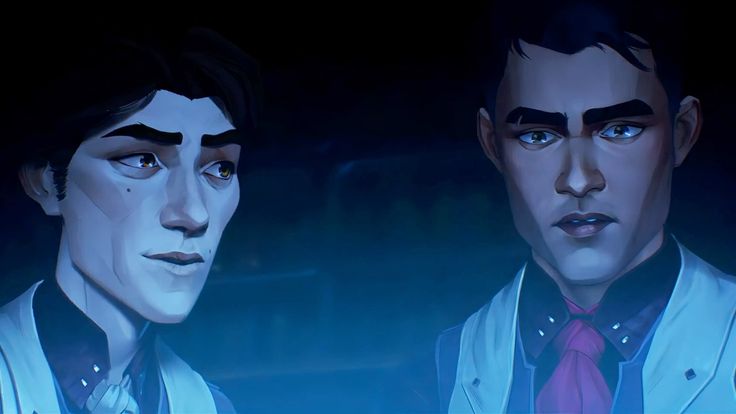
Jayce and Viktor did not begin as equals. Jayce had the reputation, the education, and the position in Piltover that made people willing to listen to him. Viktor had none of those advantages. He came from the Undercity, worked under Heimerdinger, and had spent years approaching science from a very different place. What brought them together was not status but a discovery neither of them could have reached alone: the possibility that magic could be harnessed through science.

Viktor recognized the potential in Jayce's research before most people understood what they were looking at, while Jayce recognized that Viktor could help turn an impossible idea into something real. Their first breakthrough changed more than their research. It gave two people who had come from completely different worlds a reason to trust each other's abilities. Jayce had the ambition and resources to push the work forward. Viktor had the insight and determination to see possibilities Jayce could not yet see.

That first spark became the foundation of their friendship because neither man had to pretend to be something he wasn't. Jayce did not need Viktor to become a Piltover academic, and Viktor did not need Jayce to understand the Undercity before they could work together. For a while, the science gave them something simpler than politics: a shared problem, a shared discovery, and the feeling that they had found something neither of them could have reached alone.

Partners

Once the first breakthrough proved that their idea could work, Jayce and Viktor stopped being two scientists pursuing the same discovery and became partners building it together. Their strengths were different enough to complement each other without making either one unnecessary. Jayce could turn an idea into something that Piltover would recognize and invest in, while Viktor brought the precision and persistence needed to push the science beyond what either of them could manage alone.

Their partnership also gave each man something the other had rarely found. Viktor was taken seriously by someone who saw his ability before his background, while Jayce had someone beside him who could challenge his assumptions without treating his ambition as a flaw. They argued, experimented, failed, and tried again, but the disagreement never erased the underlying trust that made them effective together.

The Dream

Hextech gave Jayce and Viktor more than a successful invention. It gave them a vision of what science could become if it stopped belonging only to people with the money and education to pursue it. They imagined a future where technology could make difficult things easier, connect people to possibilities that had once been unreachable, and improve lives far beyond the laboratory where they had started. For a while, they were working toward the same future, even if each man imagined its shape differently.

Jayce increasingly became the public face of that future, while Viktor remained closer to the work itself. That difference did not initially separate them. If anything, it made their partnership stronger: Jayce could open doors Viktor could never have opened alone, and Viktor could keep the original purpose of their research from being buried beneath Piltover's politics. Their success belonged to both of them, even when the city began attaching Jayce's name to it.

What made the dream meaningful was that neither had started with the intention of becoming powerful for its own sake. They believed they were building something that could change the conditions people lived under. That shared belief was the strongest part of their friendship, and eventually the thing that made their separation so painful. They would not stop wanting progress. They would simply begin disagreeing about what progress was allowed to cost.

The Divide

The friendship began to fracture when Hextech stopped being only a shared discovery and became something each of them believed had to be used differently. Jayce became increasingly concerned with the consequences of what their work could unleash, while Viktor became increasingly unwilling to let fear of those consequences stop progress. The difference was not that one cared about people and the other did not. Both believed they were protecting the future they had once imagined together.

Viktor's illness made that disagreement more personal. He no longer had the luxury of treating scientific progress as something that could wait for everyone to agree on the risks. Jayce saw the danger of allowing Hextech and the Hexcore to develop without limits, especially when Viktor himself was becoming part of the experiment. Viktor, meanwhile, saw Jayce's caution as another form of hesitation standing between him and the possibility of changing what human beings were capable of becoming.

Entwined

By the time Jayce and Viktor stood on opposite sides of what their work had become, the friendship itself could no longer be separated from the consequences of their shared history. Jayce had helped give Viktor access to the Hexcore, Viktor had pushed Hextech further than Jayce believed was safe, and every attempt by one to correct the other's course only pulled them deeper into the same story. Their paths had diverged, but they had never truly become independent of each other.

What remained was not the uncomplicated partnership they had once known. It was the recognition that each had shaped the other in ways neither could simply undo. Viktor had changed what Jayce believed science could accomplish, while Jayce remained one of the few people whose judgment could still reach Viktor when everything else had fallen away. Even their final conflict carried the weight of the friendship that came before it.

In the end, neither man's story can be understood without the other. They began with the same impossible idea, built its future together, and eventually became divided by what that future demanded of them. The friendship did not survive in its original form, but its influence did. They remained entwined not because they chose to remain together, but because some connections become part of who you are long before you realize how difficult they will be to separate.

Ekko & Jinx

Friendship — case file

Ekko & Jinx

Before the Names

Before Ekko became the leader of the Firelights and Powder became Jinx, they were two children growing up in the same part of Zaun, surrounded by the same streets, the same people, and the same constant knowledge that life could change without warning. Ekko knew Powder as Vi's little sister, the girl who was always trying to prove she could keep up with the older kids even when they didn't take her seriously. Powder knew Ekko as someone from her own world, close enough to understand where she came from without needing it explained.

Their friendship belonged to a version of Zaun that still existed before everything between their families and their community fractured. They played, competed, and grew up around people who treated the Undercity as home despite everything Piltover kept pressing down on it. Ekko was inventive and quick, while Powder was drawn toward machines, gadgets, and anything she could take apart to understand. Even then, there was a sense that both of them were looking at the same world and imagining ways it could be different.

None of that came with the weight their names would eventually carry. There was no Jinx for Ekko to fight, no Firelight leader for Powder to oppose, and no history between them that had already been turned into something painful. There was simply Ekko and Powder, two kids who knew each other before the events of that night separated the people they had been from the people they would become.

Different Paths

Vander's death changed more than Powder's life. It changed the world Ekko was growing up in as well, but the two of them responded to that loss in completely different directions. Powder disappeared into Silco's world and eventually became Jinx, while Ekko remained in Zaun and began building something of his own around the people who still needed protecting. Neither path was chosen from nowhere. Both were shaped by the same city, the same violence, and the same feeling that the world they had known was disappearing.

As Ekko grew older, the Firelights became his answer to what Zaun could become. He fought against Silco's control, protected people from Shimmer, and tried to preserve something of the community they had both grown up in. Jinx moved in the opposite direction, becoming one of Silco's most dangerous weapons and helping enforce the very system Ekko was fighting against. The distance between them was no longer just personal. They had become part of opposing futures for the same city.

What made that separation harder was that Ekko knew the person underneath the name. Every time he heard about Jinx, he was hearing about someone who had once been Powder, and every new thing she did made that memory harder to hold onto. For Jinx, Ekko had become part of a past she had spent years trying to survive, while for Ekko, that past remained impossible to completely erase. They had taken different paths, but neither had forgotten where those paths had started.

The Enemy

By the time Ekko and Jinx faced each other again, the childhood friendship between them had been buried beneath years of violence and everything that had happened since. Ekko no longer saw Powder as simply the girl he had grown up with. Jinx was now one of Silco's most dangerous enforcers, responsible for attacks that had affected people Ekko was trying to protect. Whatever remained of their old friendship had to exist alongside the fact that they were now standing on opposite sides of the same conflict.

Jinx had her own reason for seeing Ekko differently. He belonged to the world that had continued without her, to the people who could look at what she had become and still imagine that Powder was somewhere underneath it. The Firelights were also directly opposed to Silco, which made Ekko another person standing between Jinx and the life she had built around him. Their history made him familiar, but familiarity did not make him safe.

The Moment

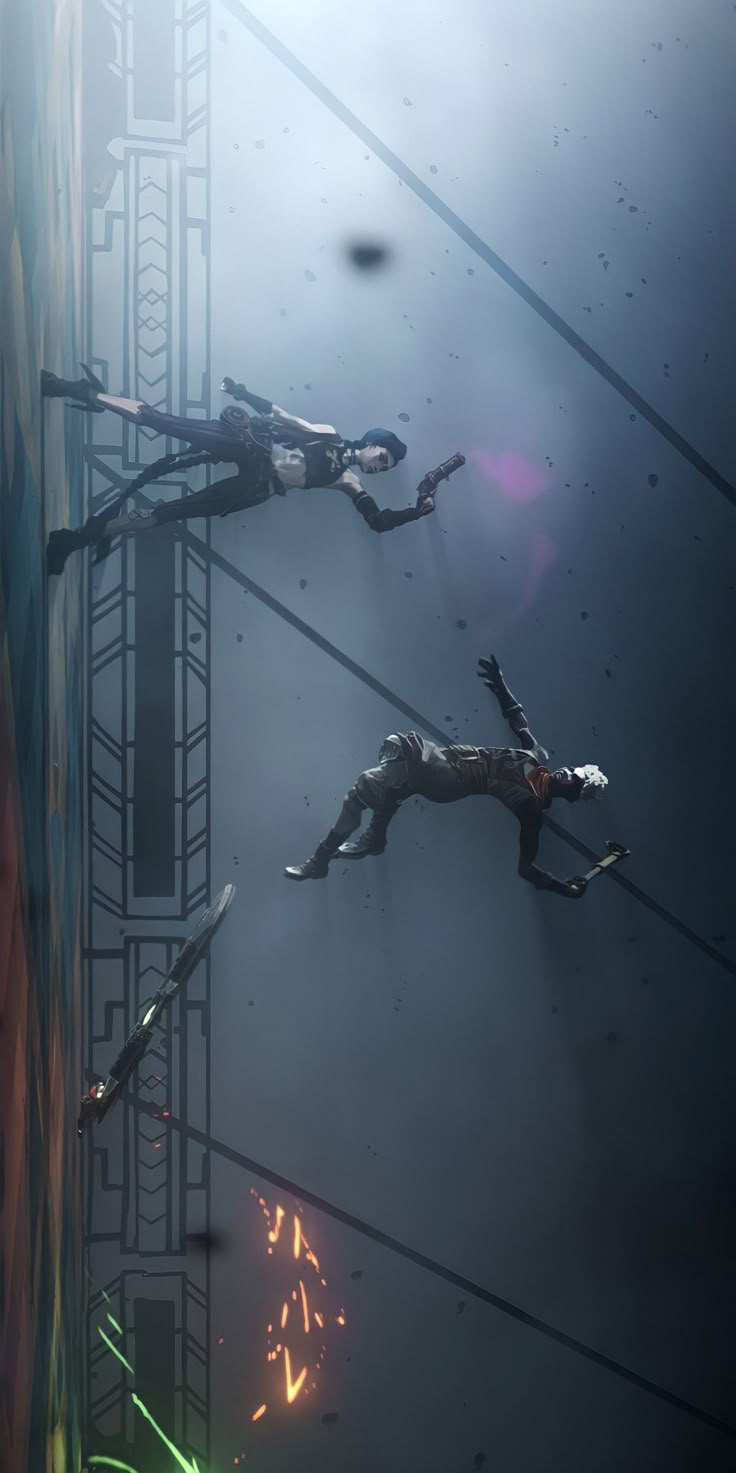
Their confrontation on the bridge carried years of history neither of them could simply leave behind. Ekko was fighting Jinx as an enemy, but he was also facing the girl he had known before everything changed. The fight moved between those two truths, making it impossible to treat the person in front of him as only one thing. Every attack came from the present, while every hesitation belonged to the past.

For Jinx, Ekko was not just another opponent trying to stop her. He was someone who remembered a version of her that no longer fit comfortably with the person she had become. That made the confrontation personal in a way neither could avoid. Ekko knew what Jinx was capable of, but he also knew what she had once been, and that knowledge complicated the simple answer that fighting an enemy was supposed to provide.

The fight ultimately became a choice for Ekko: continue treating Jinx only as the threat in front of him, or recognize that the person he remembered had not completely disappeared. He chose to stop, giving Jinx a chance to survive rather than finishing what he had started. It did not erase everything between them, but it proved that the history they shared still had enough weight to change what happened in that moment.

The Ties

What connects Ekko and Jinx is not a friendship that simply survived unchanged. Too much happened for that. Their connection is the history they share, the childhood they remember, and the knowledge that the person standing opposite them was once someone they knew before either had chosen the lives they eventually entered. Even when that history became painful, neither could completely turn the other into a stranger.

Ekko's experience of the alternate reality makes that truth even harder to ignore. For a brief time, he sees a version of Powder who never became Jinx, in a Zaun where their lives took a different direction. The experience does not erase the reality he has lived through, but it gives him something he had never been able to fully possess: proof of the person Powder might have remained if circumstances had been different.

Jinx and Ekko ultimately become two people shaped by the same childhood and separated by everything that followed it. They do not simply return to being the children they once were, because neither of them can undo what happened. But the connection between them survives precisely because their past was real. Before Jinx and the Firelights, before enemies and opposing sides, there were two children from Zaun who knew each other. That beginning never completely disappeared.

Vi & Ekko

Friendship — case file

Vi & Ekko

The Older One

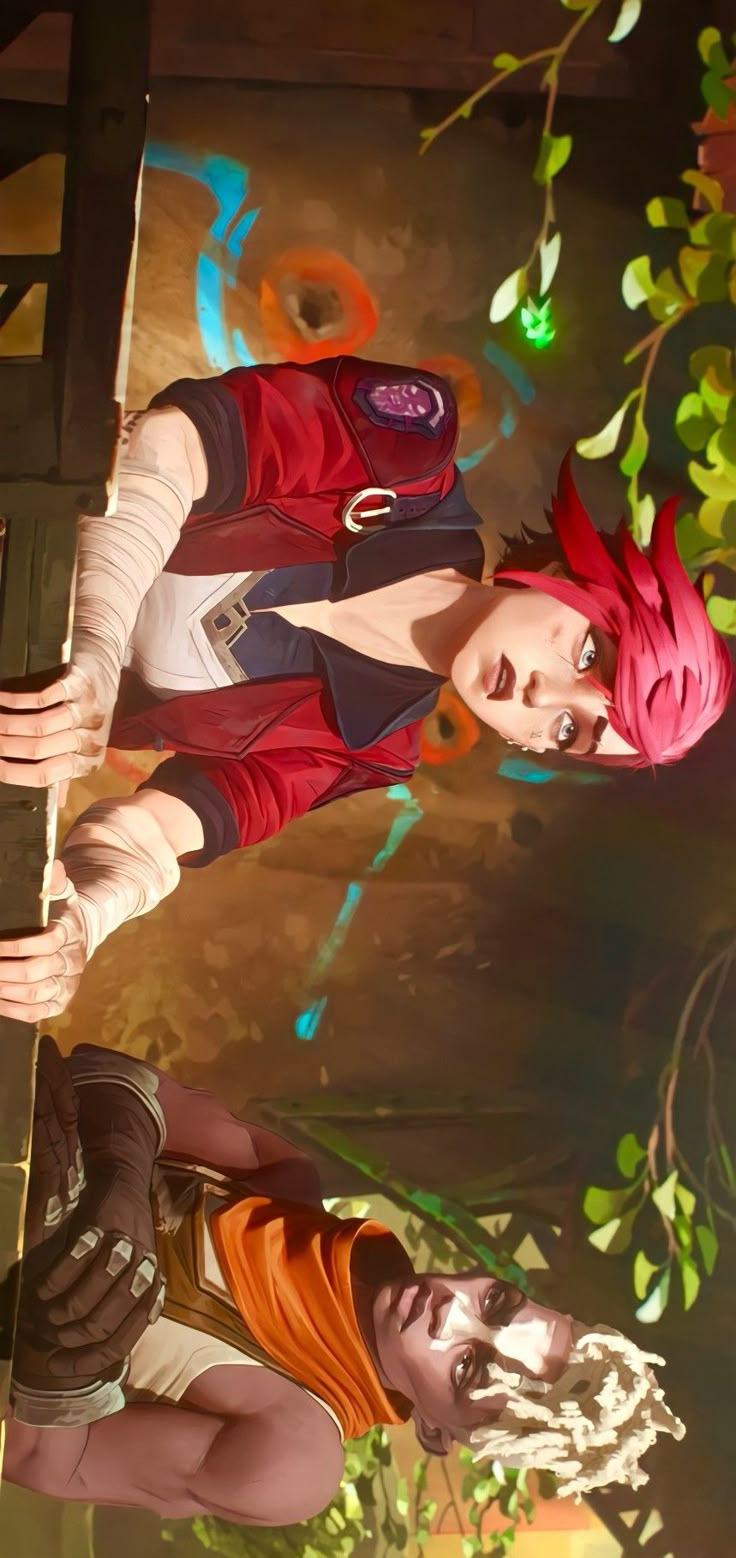
Before Vi disappeared from his life, Ekko knew her as one of the older kids in the Lanes, someone who belonged to the group he looked up to even when he was too young to stand beside them as an equal. She was tougher, louder, and more willing to step into trouble than most of the people around her, but Ekko never seemed to need much convincing that she was someone worth following. Through Vi, he also knew Powder, which made their connection part of the same small world that had once held all of them together.

Vi treated Ekko as a kid, but not as someone who was incapable of keeping up. She understood that he was clever, observant, and already learning how Zaun worked in ways that the older kids sometimes missed. Their relationship never carried the same closeness Vi had with Powder, but there was familiarity in it: Ekko knew Vi before prison, before Piltover changed her life, and before she became someone returning to Zaun with years of absence behind her.

That early connection matters because Ekko's memory of Vi belongs to the same world he lost when Vander died. She was one of the people who made that world feel stable, someone who seemed like she would always be there alongside Powder and the others. When she disappeared, Ekko didn't just lose another person from the Lanes. He lost another piece of the childhood that had made Zaun feel like home.

What Was Lost

Vander's death broke more than one family apart. Vi was taken away, Powder disappeared into Silco's world, and Ekko was left to grow up in a Zaun that no longer resembled the one they had shared as children. The people who had once filled the same streets were now scattered across different lives, each carrying a different version of what had happened that night.

For Ekko, Vi's absence became part of the larger loss he was trying to survive. He watched Zaun change under Silco's influence and eventually became responsible for protecting people who had nowhere else to turn. By the time Vi returned, Ekko had already spent years becoming someone who could no longer simply wait for the older kids he remembered to come back and fix things.

The Same Fight

By the time Vi returned to Zaun, Ekko had built the Firelights into something Vander might have recognized: a group protecting people rather than ruling them. Vi came back with a different purpose, searching for Powder and trying to understand what had happened while she was gone. Their methods were different, but the threat around them was familiar. Both were trying to keep Zaun from being consumed by the people who had learned how to profit from its suffering.

Ekko had every reason to distrust Vi at first. She had been gone for years, and his experience had taught him not to assume that someone returning from Piltover still belonged to Zaun. Vi, meanwhile, had no idea how much Ekko had changed or what the Firelights had become. Their reunion therefore wasn't built on old loyalty alone. It had to be earned through what each of them was willing to do for the people still living in the Undercity.

Once they understood that, the difference between them became less important. Ekko wasn't fighting for the same reasons Vi was, but their goals could overlap when it mattered. Neither was trying to restore the Zaun they remembered exactly as it had been. They were trying to protect what was still worth saving, and that gave two people who had grown apart a reason to stand on the same side again.

The Reunion

When Vi and Ekko finally met again, neither of them was meeting the person they had known as children. Vi had spent years in prison and returned carrying the weight of everything she had lost, while Ekko had grown into someone responsible for protecting an entire group of people. The familiarity was still there, but it existed underneath years of separation rather than untouched by them.

Their reunion mattered because Ekko could see how much Vi was still trying to hold together. She wasn't simply back in Zaun. She was searching for Powder, trying to make sense of Jinx, and attempting to repair a family that had been broken long before she returned. Ekko understood that better than most because he had watched the same transformation from the other side of the city.

Still Standing

What connects Vi and Ekko in the end is not that they returned to the friendship they might have had as children. Too much was lost for that. Vander was gone, Powder had become Jinx, and the Zaun they remembered had been reshaped by years of violence. What remained was a recognition between two people who had survived the same collapse and refused to let it decide what they would become.

Ekko became the person who protected Zaun when almost everyone else was trying to use it, while Vi kept fighting for the people she loved even when she had no clear idea how to save them. Their paths were different, but neither abandoned the instinct that had existed when they were younger: protect the people who cannot protect themselves. That is where their connection ultimately rests, not in how often they stand together, but in what they continue to stand for.

They are two of the few people left who remember Zaun before everything changed, and that shared memory gives their relationship a quiet weight. They cannot bring Vander back, restore Powder, or undo the years they lost. They can only carry what survived and decide what to do with it. After everything the city took from them, both are still standing, and neither is standing only for themselves.

Jayce & Caitlyn

Friendship — case file

Jayce & Caitlyn

Old Friends

Jayce and Caitlyn knew each other before either of them had become one of Piltover's most visible figures. They came from families that belonged to the city's upper circles, but their similarities ended there more often than they began. Jayce was ambitious, fascinated by invention, and determined to prove that science could accomplish things Piltover had never thought possible. Caitlyn was more observant and deliberate, already drawn toward understanding people and the systems that shaped the city around them.

Their friendship was built less on being alike than on respecting what the other could do. Caitlyn took Jayce's ambitions seriously even when they seemed larger than the world around him was ready for, while Jayce trusted her judgment in a city where appearances could hide as much as they revealed. They were both trying to find their place in Piltover, just from different directions.

That history mattered once their lives became more complicated. Caitlyn knew Jayce before Hextech turned him into a public figure, before the Council made his decisions political, and before the pressures surrounding him began changing the way he saw Piltover. Whatever their relationship became later, it began with something simpler: two young people who already trusted each other before either had much power to lose.

The Alliance

As Jayce's position in Piltover grew, his friendship with Caitlyn became tied to the work they were both doing for the city. Jayce was pulled toward the Council and the political consequences of Hextech, while Caitlyn's investigation into the attacks on Piltover brought her closer to the problems developing beneath the city's polished surface. They were approaching the same danger from different directions, and each trusted the other enough to share what they found.

Caitlyn was one of the people willing to challenge Jayce when his position made it difficult to see beyond the Council's priorities. She understood the pressure he was under without simply accepting every decision he made. Jayce, in turn, recognized that Caitlyn's instinct to investigate rather than assume made her valuable in situations where political certainty was often built on incomplete information.

Their alliance therefore became more than two influential people helping one another. Caitlyn gave Jayce a connection to what was actually happening outside the Council chamber, while Jayce gave Caitlyn access to decisions and resources she could not reach on her own. They did not always agree about what should be done, but they trusted each other enough to keep working together when agreement was no longer easy.

The Burden

Power changed what Jayce and Caitlyn had to carry. Jayce became responsible for decisions that could affect the entire city, while Caitlyn was increasingly forced to confront the consequences of those decisions outside the Council. Neither could remain simply a friend watching from the side. The more Piltover depended on them, the harder it became to separate personal loyalty from responsibility.

Caitlyn understood that Jayce was trying to protect Piltover, but she also saw how quickly fear could turn protection into something harsher. Jayce, meanwhile, had to make choices in circumstances where every option seemed to leave someone exposed. Their friendship gave them someone they could trust with those doubts, but it could not remove the weight of the decisions themselves.

What made that burden difficult was that both had once believed Piltover's institutions could be trusted to handle its problems. As they saw more of the city's corruption and the consequences of its conflict with Zaun, that confidence became harder to maintain. Jayce began questioning what his authority was actually accomplishing, while Caitlyn became increasingly determined to act rather than simply accept the limits placed on her. Their responsibilities were pulling them in different directions before either fully realized how far apart they had begun to stand.

The Divide

The difference between Jayce and Caitlyn became clearest when the conflict with Zaun stopped being something they could observe from a distance. Jayce became increasingly willing to use force when he believed Piltover was under immediate threat, while Caitlyn's experience pushed her toward understanding the people and circumstances behind the violence. They still wanted to protect the city, but they were no longer certain that protection meant the same thing.

Caitlyn could see how fear was changing Jayce, especially as the pressure of his position made every decision feel urgent. Jayce, meanwhile, saw the danger of hesitation when Piltover was already being attacked. Neither position came from a lack of care for the other. Their disagreement came from the fact that the same crisis was forcing them to prioritize different things.

The Trust

What survives between Jayce and Caitlyn is not an agreement that never breaks. Their friendship is stronger than that because it was built before either of them had to choose between competing responsibilities. They know each other's judgment, strengths, and weaknesses well enough to disagree without immediately turning that disagreement into distrust. Even when their paths pull apart, neither has to pretend the other stopped mattering.

Caitlyn remains one of the people who can challenge Jayce without reducing him to his mistakes, while Jayce understands that Caitlyn's insistence on seeing beyond Piltover's official story comes from the same sense of responsibility that has always driven her. Their trust therefore becomes less about always standing together and more about knowing that the other person is still trying to do what they believe is right.

They began as friends in a city that seemed certain of its own future. They grew into people forced to question that certainty, carrying responsibilities neither had expected when they were younger. Whatever changes between them afterward, the history they share remains one of the few things neither has to question. They may not always choose the same path, but they still know who is walking beside them when it matters.

III — FRACTURE LINES

rivalry


Where affection curdles into competition, or competition was the shape the affection took all along.

Jayce & Viktor

Rivalry — case file

Jayce & Jayce

The Divide

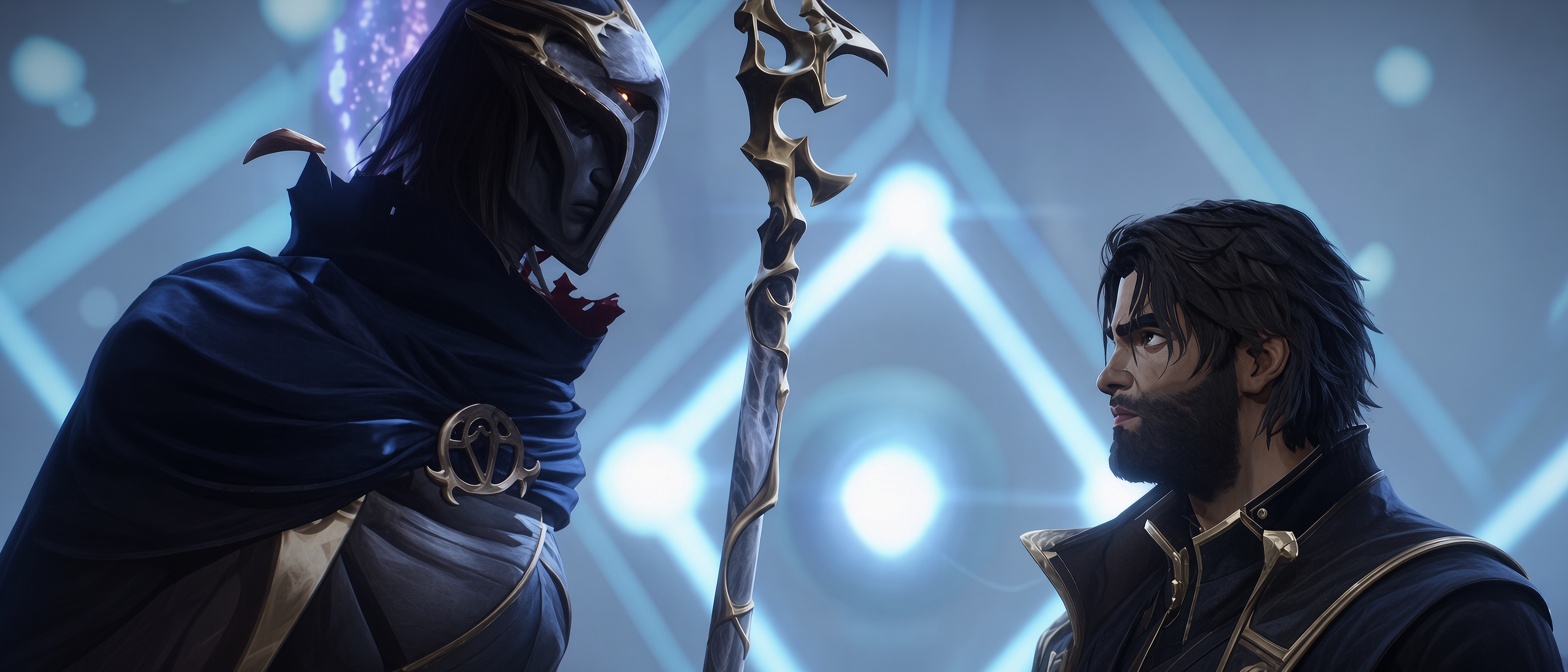
The distance between Jayce and Viktor did not begin with hatred. It began with the same discovery they had once shared, slowly producing different answers to what science was supposed to become. Jayce remained increasingly concerned with what Hextech could do for Piltover and for ordinary people, while Viktor became more convinced that humanity could not overcome its limitations without changing what humanity itself was capable of becoming.

Their disagreement became harder to ignore as the Hexcore developed. Jayce saw a dangerous technology whose consequences could no longer be separated from the people affected by it. Viktor saw something that could solve the weaknesses he had spent his life living with, and eventually something far larger than either of them had first imagined. Neither had simply abandoned the principles they once shared. They had followed different parts of the same dream until those parts could no longer exist comfortably together.

What made the divide painful was that Jayce understood Viktor better than most people ever could. He knew where Viktor had come from, what his illness had cost him, and why the promise of transformation meant so much. Viktor, in turn, knew that Jayce's resistance was not born from ignorance or cruelty. They were no longer arguing because one of them failed to understand the other. They were arguing because they understood each other well enough to know exactly where their visions could no longer meet.

The Conflict

What began as a difference in vision became harder to contain once Viktor's work with the Hexcore started moving beyond the boundaries Jayce was willing to accept. Jayce saw the technology becoming something neither of them fully understood, while Viktor saw Jayce's caution as another barrier placed in front of progress. The argument was no longer about whether Hextech could change the world. It was about what they were willing to let it change.

Their conflict became personal because neither man could dismiss the other's position as simple ignorance. Jayce knew exactly why Viktor was willing to take greater risks, having seen how illness had limited his friend's life. Viktor knew Jayce was not opposing him out of jealousy or fear of losing control, but because he genuinely believed some boundaries existed for a reason. Their history gave the disagreement weight that it would never have carried between strangers.

The more they argued, the less room there was for the partnership they had once taken for granted. Jayce wanted progress that could be controlled and shared without destroying the people it was meant to help. Viktor became increasingly willing to accept transformation itself as the price of overcoming human limitation. They were still pursuing the promise that had brought them together, but the meaning of that promise had become so different for each of them that working toward it together was becoming almost impossible.

The Rivalry

By this point, Jayce and Viktor were no longer simply two scientists arguing over the limits of their work. They had become representatives of two futures that could not easily coexist. Jayce believed progress had to remain accountable to the people it affected, while Viktor increasingly believed that humanity's greatest weakness was humanity itself. The closer Viktor came to solving that weakness, the more Jayce saw the danger in what he was becoming.

Their rivalry was never driven by a desire to defeat each other for its own sake. Neither man wanted to prove himself better than the other. What they wanted was to prove that his understanding of the future was the one worth following. That made their conflict more painful than an ordinary competition because every disagreement carried the memory of the partnership that had once made them stronger together.

The Reckoning

Eventually, the consequences of their choices became impossible for either of them to ignore. Viktor's pursuit of evolution had moved far beyond the experiment that first connected them, while Jayce had seen enough of its consequences to understand that stopping Viktor might mean standing against the person who had once been his closest collaborator. The question was no longer which of them had the better theory. It was what their theories had actually created.

Jayce was forced to confront the uncomfortable truth that his own pursuit of progress had helped make Viktor's transformation possible. Viktor, meanwhile, had to face the fact that his attempt to overcome human weakness was creating a future where the very humanity he wanted to save could disappear. Neither could place the consequences entirely on the other. Their shared invention had become something neither man could completely control.

Their final confrontation therefore carried the weight of everything that came before: the discovery they had made together, the friendship that followed it, the arguments that separated them, and the people affected by their choices. Jayce was not simply confronting Viktor, and Viktor was not simply resisting Jayce. They were confronting the future they had once imagined together and realizing how far it had moved from what either of them originally intended.

The Choice

In the end, Jayce and Viktor are forced to confront the question that had been beneath their rivalry from the beginning: what is progress worth if the future it creates is no longer worth living in? Viktor had spent years trying to overcome the weaknesses that had defined his life, while Jayce had become increasingly aware that a perfect future could become something terrifying if it required humanity to disappear from it.

Their final encounter is not a victory for one man over the other. Jayce reaches Viktor through the memory of what they had once built together, reminding him that their work began with the belief that science could improve human life, not replace humanity itself. Viktor finally understands where that pursuit had taken him and recognizes the destruction hidden inside the future he had been creating.

What they ultimately choose is not simply whether Hextech should survive. They choose each other over the futures that had divided them. After everything their rivalry had become, the final act of understanding returns them to the idea that began their relationship in the first place: progress matters because of the people it is meant to serve. Their story ends not with one defeating the other, but with both accepting the cost of stopping what they had created together.

Ekko & Jinx

Rivalry — case file

Ekko & Jinx

The Break

The night Vander died broke more than Powder's family. It broke the connection between her and Ekko in a way neither of them had chosen. Powder disappeared into Silco's world, while Ekko was left watching Zaun change around him. By the time either could have understood what had happened, the people they had once known were already being replaced by lives built around different loyalties.

For Ekko, the hardest part was not simply that Powder was gone. It was that the person who eventually returned was no longer someone he could reach in the way he once could. Silco gave her a new identity and a place inside his organization, while Ekko began moving in the opposite direction, protecting people from the same system Jinx was helping enforce. Their separation became more than distance. It became a difference in what each of them believed they were fighting for.

Opposing Sides

Ekko eventually built the Firelights around protecting Zaun from the control and exploitation that had become part of Silco's rule. Jinx, meanwhile, became one of the people Silco relied on most, carrying out his orders and defending the world she had come to associate with him. Their paths were no longer simply different. They placed them directly against each other.

Neither side was abstract to them. Ekko knew what Silco's influence was doing to the Undercity, while Jinx knew the Firelights were actively working against the people and system she had attached herself to. Every encounter therefore carried a conflict underneath the immediate fight. Ekko was trying to protect the home they had both grown up in, while Jinx was defending the person and identity she believed had given her a place in it.

The Enemy

By the time Ekko and Jinx began facing each other directly, there was no easy way to separate the person from the role she had taken on. Jinx was dangerous, unpredictable, and responsible for violence against people Ekko was trying to protect. Whatever Ekko remembered from before could not simply erase what she had become. He had to treat her as an enemy because the people around him could not afford for him to do otherwise.

Jinx's view of Ekko was shaped by the same reality from the opposite direction. He was one of the people standing against Silco and the life she had built, and the Firelights had become a direct obstacle to the world she was defending. Yet Ekko was different from an ordinary enemy because he knew her before the name Jinx existed. Fighting him meant facing someone who could still recognize the person she had been, even when she wanted that past to stay buried.

That made their rivalry unusually personal. Ekko could condemn what Jinx was doing without pretending he had forgotten Powder, while Jinx could fight Ekko without being able to completely turn him into a stranger. Their conflict was therefore never just about Silco, the Firelights, or control of Zaun. Every confrontation carried the uncomfortable knowledge that the person trying to stop you was someone who had once known you before you became the person they were now fighting.

The Ties

Even after years of conflict, Ekko and Jinx could never become completely ordinary enemies. Their shared past kept creating a distance between what they knew about each other and what they were forced to do. Ekko understood that Jinx was responsible for choices that had hurt people he cared about, but he also understood that she had not appeared out of nowhere. The person he remembered was still part of the history behind the person he was fighting.

Jinx's connection to Ekko was more complicated for a different reason. He represented a life she had lost, but also a version of herself she could no longer comfortably return to. His existence made it harder to believe that Jinx was all she had ever been. At the same time, neither of them could simply step back into the relationship they had before. Too much had happened, and too many people had been hurt.

Their ties therefore survive without becoming a simple reconciliation. They exist in the hesitation, recognition, and conflict that follow them whenever they meet. Ekko can still remember Powder without excusing Jinx, and Jinx can still recognize Ekko without becoming the child she once was. Their connection matters precisely because it cannot undo the past. It only proves that the past was never completely erased.

The Last Fight

When Ekko and Jinx finally faced each other on the bridge, the fight carried the weight of everything that had happened between them. Ekko was not facing a stranger who had simply become an enemy. He was facing Powder, the person he had known before Vander's death changed both of their lives, now standing in front of him as Jinx. For Jinx, Ekko was equally difficult to reduce to a simple opponent. He was someone who belonged to a part of her life she had never been able to completely erase.

Their fight became a clash between those two versions of each other. Ekko had every reason to fight seriously, knowing what Jinx had done and what she was capable of. But the memories between them kept interrupting the certainty of the moment. He was fighting the person she had become while still remembering the girl she had been. Jinx, meanwhile, was confronting someone who could see both versions at once, making it harder for her to hide completely behind the identity she had built.

When Ekko stopped and gave her a chance to live, he did not erase their rivalry or suddenly restore their childhood friendship. He simply refused to let their entire history end with one of them killing the other. The moment mattered because it showed that everything between them had not been reduced to hatred. They could remain enemies, carry everything that had happened, and still recognize that the person in front of them had once meant something more.

Vander & Silco

Rivalry — case file

Vander & Silco

The Betrayal

The relationship between Vander and Silco ended when their disagreement over Zaun stopped being something they could survive as brothers. Vander had come to believe that continuing the fight at any cost would destroy the people they were supposed to free, while Silco remained convinced that sacrifice was necessary if Zaun was ever going to escape Piltover's control. What began as a difference in what they were willing to risk eventually became a choice between two futures neither man was willing to abandon.

Vander ultimately turned against Silco, believing that stopping him was necessary to prevent more people from being dragged into a war they could not survive. To Vander, it was an act of protection. To Silco, it was something far more personal: the man who had once stood beside him had chosen to stop him by force. The attempted drowning became the moment Silco's understanding of Vander changed permanently, turning a disagreement between brothers into a betrayal he would carry for years.

Neither man walked away from that moment unchanged. Vander abandoned the revolutionary path and built a life around protecting the people already under his care. Silco survived and became even more committed to the independence they had once pursued together. From then on, every encounter between them carried the memory of what had happened beneath the surface of their political disagreement: one believed he had stopped his brother from destroying Zaun, while the other believed his brother had tried to destroy him.

The Divide

After the betrayal, Vander and Silco built completely different lives around the futures they believed Zaun needed. Vander chose the people already within his reach, accepting the imperfect peace that allowed the Undercity to survive. Silco refused to accept that survival was enough. He continued pursuing independence, believing Zaun would remain powerless as long as Piltover could decide its limits.

Their disagreement therefore became larger than the two men themselves. Vander's position was shaped by what he had learned from violence: another uprising could cost the lives of the very people he wanted to protect. Silco saw that caution differently. To him, Vander had allowed fear of another loss to replace the ambition they once shared. Neither man believed he had abandoned Zaun. They simply disagreed about what loyalty to Zaun demanded.

The years between them made that divide harder to cross. Vander's world became the Last Drop, Vi, Powder, Mylo, and Claggor, while Silco built influence through fear, Shimmer, and control. Each man represented something the other had rejected. Vander had chosen a family over the revolution, while Silco had chosen the revolution over the compromises Vander believed were necessary to keep that family alive.

The Grudge

Silco never treated what happened between him and Vander as an old disagreement that time could soften. The memory of being betrayed became part of how he understood Vander, and every later encounter carried the assumption that the brother he once trusted had chosen to abandon him. His anger was not only about the attempt on his life. It was about what that attempt seemed to prove: that Vander had been willing to destroy the person who had once stood beside him.

Vander carried a different kind of burden. He knew exactly what he had done to Silco, and whatever justification he had for stopping him could not erase the fact that he had nearly killed someone who had once been his closest friend. He did not spend his life pursuing revenge, but that did not mean the past disappeared. Silco remained a reminder of the man Vander had been before he chose a quieter life and the violence he had decided never to return to.

Their hatred therefore never became simple. Silco wanted Vander to understand what his betrayal had cost him, while Vander wanted to prevent Silco from creating the kind of future he had once feared. Beneath both motives was the same history neither could escape. They knew each other's values too well to misunderstand what the other was doing, and that familiarity made the grudge more enduring than hatred between strangers could ever have been.

The Last Stand

Their conflict finally returned to the place where both men had always understood the stakes most clearly: the people of Zaun. Silco had spent years building the power he believed was necessary to make the Undercity independent, while Vander had built a life around protecting the children who depended on him. When their paths crossed again, neither man was simply defending an idea. Each was defending the future he had chosen to build.

Vander tried to stop Silco without allowing the children around him to become another cost of the conflict. Silco saw Vander's refusal to fight for independence as the same surrender he had resented since the day their paths split. The confrontation therefore carried the weight of everything that had happened between them, but now the people they had each chosen to protect were standing directly in its path.

Vander died during the confrontation, sacrificing himself to protect Vi and the others. Silco survived, but his victory could never restore what had been lost. The man he had spent years hating was also the man who had once been his brother, and his death left Silco with the final consequence of their rivalry: he had finally outlived the person whose betrayal had helped define him, but he could never confront him again.

The Legacy

Vander's death ended the rivalry between the two men, but it did not end what their conflict had set in motion. Silco inherited the space Vander had left behind and turned it toward the future he had spent years pursuing. The Last Drop became his, Zaun became more deeply tied to his power, and the children Vander had protected were pulled into a world shaped by the man who had once been his brother.

The irony was that both men ultimately left behind versions of what they had wanted for Zaun. Vander proved that people could be protected even within an unjust system, while Silco proved that Piltover could be forced to take Zaun's independence seriously. Neither achieved his vision cleanly. Vander's peace could not last forever, and Silco's revolution demanded costs that increasingly resembled the violence Vander had feared.

Their rivalry therefore survives in the people they left behind. Vi carries Vander's instinct to protect, while Jinx carries much of what Silco taught her about survival, loyalty, and never allowing herself to be abandoned again. Even after both men are gone, their opposing answers to Zaun's future continue through the people they raised. The brothers who could no longer agree on how to save their home ultimately shaped the generation that would have to decide what saving it meant.

Vi & Sevika

Rivalry — case file

Vi & Sevika

The Rivalry

Vi and Sevika became enemies long before either of them had much reason to see the other as anything more than a threat. Sevika had followed Silco after Vander's downfall, while Vi remained tied to the family and values Vander had left behind. Their conflict was therefore never only personal. Each woman stood behind a different vision of what Zaun should become, and neither had much patience for the other's answer.

What made their rivalry endure was that neither could dismiss the other as weak. Sevika was older, experienced, and one of the most capable fighters in Silco's organization. Vi had the strength and determination to keep coming back no matter how many times she was knocked down. Every time they crossed paths, the fight carried the same underlying question: which of them would finally be the one to give way?

Old Wounds

Sevika's hostility toward Vi was tied to more than the girl standing in front of her. She had followed Vander before turning against the path he chose, and she later stood beside Silco when he built the power Vander had rejected. Vi represented the family Vander had chosen and the kind of life Sevika believed had left Zaun weak. Their conflict carried the history of two generations of the Undercity's struggle.

Vi, in turn, saw Sevika as one of the people who had helped replace Vander's protection with Silco's rule. Every confrontation therefore carried the memory of what had been taken from her and what Zaun had become afterward. Neither woman needed the other to explain why they were fighting. They already knew exactly which old wounds stood between them.

The Challenge

Their encounters gradually became something more than attempts to remove an obstacle. Sevika knew Vi was one of the few people in Zaun capable of meeting her strength directly, while Vi knew that defeating Sevika meant overcoming someone who had survived years of fighting in the Undercity. Neither woman treated the other as an opponent who could simply be ignored.

That gave their fights a particular rhythm. Sevika relied on experience, endurance, and the advantages she had built through years beside Silco, while Vi relied on instinct, aggression, and the refusal to stay down. They fought for different reasons, but each confrontation became a test of whether the other could finally be pushed past her limits. The rivalry was personal because neither wanted to be the one who lost.

The Reckoning

By the time Silco was gone, the meaning of their rivalry had changed. Vi was no longer simply fighting one of Silco's enforcers, and Sevika was no longer fighting for a leader who could tell her what Zaun's future should look like. Both were left to decide what they actually believed after years spent following other people's causes.

Their conflict still carried the old history, but neither could ignore how much had changed around them. Sevika had lost Silco and the structure he had built, while Vi was still trying to understand what remained of her family and her home. Their rivalry had survived the people who originally created it, leaving both women to confront what they had become without those old loyalties to define them.

The Last Fight

Their final confrontation came after Silco's death, when Zaun was already beginning to move into something neither woman could fully predict. Vi and Sevika met again not simply as representatives of Vander and Silco, but as two survivors carrying the consequences of everything that had happened between them. The fight was still physical, still personal, but the old purpose behind it had largely disappeared.
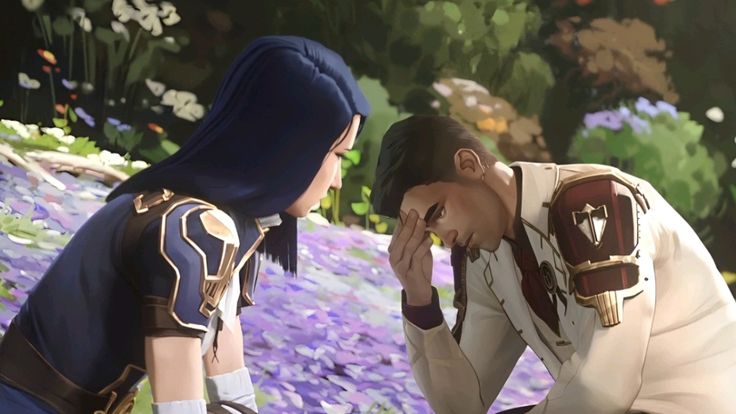
Sevika ultimately accepted that Vi was not going to stop fighting for the people she cared about, just as Vi understood that Sevika's loyalty to Zaun had never depended entirely on Silco. Their rivalry never became friendship, but it gained something closer to recognition. After years of trying to prove which of them could stand longer, they were left with the same answer: neither had been willing to fall.

Jinx & Caitlyn

Rivalry — case file

Jinx & Caitlyn

The Target

Caitlyn's path toward Jinx began as an investigation into the attacks destabilizing Piltover, but Jinx quickly turned that pursuit into something personal. To Caitlyn, Jinx was a dangerous criminal whose actions had already cost lives and threatened the city she was responsible for protecting. She approached the problem as an enforcer, trying to understand the person behind the attacks well enough to stop her.

Jinx saw Caitlyn differently. She was not simply another enforcer standing between her and freedom. Caitlyn was connected to Vi, and that connection made her presence impossible for Jinx to treat as irrelevant. The moment Caitlyn became part of Vi's life, Jinx's conflict with her stopped being only about Piltover and Zaun. Caitlyn became someone Jinx could not separate from the fear of losing her sister again.

The Hunt

Caitlyn's pursuit of Jinx became increasingly personal as the investigation revealed how difficult she was to predict or contain. Jinx could appear anywhere, strike without warning, and disappear before Caitlyn could understand what she was planning. The more elusive Jinx became, the more determined Caitlyn was to find her, especially as each encounter made the danger to the people around them more immediate.

Jinx, however, was never simply waiting to be caught. She watched Caitlyn as closely as Caitlyn watched her, recognizing that the enforcer was becoming one of the few people capable of getting close to Vi. Their pursuit therefore worked in both directions. Caitlyn was hunting Jinx because she believed she had to stop her, while Jinx kept drawing Caitlyn deeper into a conflict where Vi was always somewhere between them.

The Provocation

Jinx understood that Caitlyn's connection to Vi gave her a way to make their conflict hurt in a place ordinary threats could not reach. Caitlyn was no longer simply the enforcer pursuing her. She was the person standing beside the sister Jinx still desperately wanted back, making every encounter feel like another reminder that Vi's life was moving forward without her.

Caitlyn also came to understand that Jinx was deliberately using that connection. The attacks and threats were not only attempts to escape or survive. They were ways of forcing Caitlyn into a conflict where Vi could not remain separate from the danger. Their rivalry became increasingly psychological, with each woman recognizing that the other had something she cared about deeply and could therefore be hurt through.

The Obsession

As their conflict continued, Caitlyn became increasingly focused on stopping Jinx, while Jinx became increasingly fixated on Caitlyn's place beside Vi. For Caitlyn, Jinx represented a threat that kept escaping every attempt to contain it. For Jinx, Caitlyn represented something more complicated: the possibility that Vi could build a life with someone else and leave the past behind.

That made their rivalry unusually personal. Caitlyn could not simply treat Jinx as another criminal once she understood how deeply Vi was caught between them, while Jinx could not treat Caitlyn as just another enforcer after seeing how important she had become to her sister. Neither woman fully understood the other's pain, but both had become deeply invested in what the other represented.
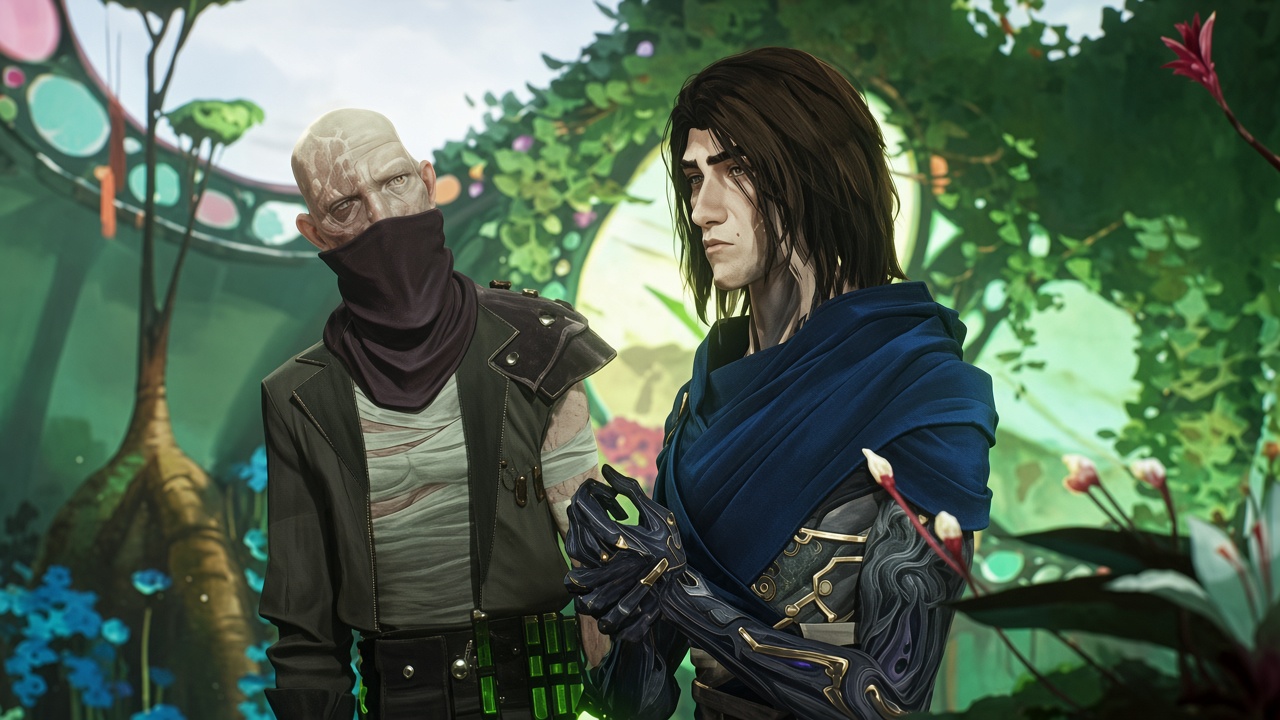
The danger was that this fixation made every encounter harder to separate from the people around them. Caitlyn wanted to protect Vi and stop Jinx, while Jinx wanted to reclaim the sister she believed was being taken from her again. Their conflict had begun as hunter and target, but by this point it had become a struggle over who had a place in Vi's life and what that place meant.

The Confrontation

Their conflict ultimately reached its most personal point when Jinx forced Caitlyn into a choice that could no longer be separated from Vi. Caitlyn had spent much of their rivalry seeing Jinx as a threat that needed to be stopped, but the situation demanded more than simply defeating her. Jinx was no longer an abstract danger to Piltover. She was someone whose actions were deeply connected to the person Caitlyn loved.
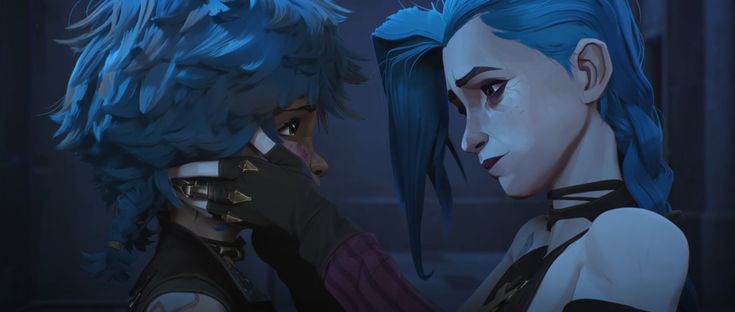
Jinx, meanwhile, was forced to confront the fact that Caitlyn was not simply taking Vi away from her. Vi was making her own choices, and Jinx could not control what those choices meant. Their confrontation therefore exposed the deepest tension between them: Caitlyn represented the possibility of Vi moving forward, while Jinx remained tied to everything Vi had lost. Neither woman could completely resolve that conflict, but both finally understood how much the other had become part of it.

Their rivalry never becomes a simple story of hero and villain. Caitlyn has real reasons to oppose Jinx, and Jinx has real reasons to see Caitlyn as a threat. But underneath their hostility is the same person they both care about, pulling them into a conflict neither would have entered in quite the same way without Vi.

IV — WHAT THEY CHOOSE

Love


The bonds nobody assigned them — picked deliberately, across every line the city draws.

Vi & Caitlyn

Love — case file

Vi & Caitlyn

The Spark

Vi and Caitlyn's connection begins with circumstances that should have kept them apart. Vi comes from the Undercity, carrying years of anger toward Piltover, while Caitlyn was raised inside the city's privileged world and became an enforcer determined to understand what was happening beyond its walls. They have little reason to trust each other at first, yet their differences quickly become part of what draws them together.

Caitlyn sees in Vi someone who refuses to hide behind Piltover's rules, someone willing to act when everyone else is still debating what should be done. Vi, meanwhile, begins to recognize that Caitlyn is not simply another Piltover enforcer. She listens, takes risks, and repeatedly chooses to help Vi even when doing so puts her own position at risk. Their attraction grows alongside that growing recognition.

What begins as tension gradually becomes something neither of them can completely dismiss. Vi's teasing and Caitlyn's composure create a natural contrast, but beneath it is a genuine curiosity about each other. They are drawn together not because their worlds are similar, but because each discovers something in the other that their own world had failed to give them.

The Trust

Attraction alone could not have carried Vi and Caitlyn through everything they faced. Their relationship became meaningful when they began trusting each other with things neither woman gave easily. Caitlyn trusted Vi to guide her through Zaun, while Vi gradually trusted Caitlyn enough to let her see the parts of herself hidden beneath the toughness and anger.

That trust was tested by the worlds they came from. Caitlyn was still a Piltover enforcer, while Vi had spent years learning to distrust people from above. Yet Caitlyn repeatedly chose to see Vi as a person rather than the criminal Piltover's system expected her to be, and Vi began to believe that Caitlyn's concern for her was genuine. Their trust grew because neither treated their differences as a reason to abandon the other.

The Connection

What develops between Vi and Caitlyn becomes deeper than the attraction that first brought them together. They begin to understand parts of each other that few people ever see. Vi, who has spent much of her life protecting everyone else, finds someone who wants to understand what she needs rather than simply what she can do. Caitlyn, who was raised to believe in Piltover's institutions, finds herself questioning that world through Vi's eyes.

Their differences never disappear, and that is part of what makes the connection meaningful. Vi does not suddenly become comfortable with Piltover, and Caitlyn does not abandon everything she believes because she loves someone from Zaun. Instead, being together forces both of them to see beyond the boundaries they were raised inside. Each becomes a bridge between two worlds that had spent years treating the other as an enemy.

Their relationship also becomes complicated by Jinx. Caitlyn cannot ignore the danger Jinx represents, while Vi cannot simply stop caring about her sister. Caitlyn has to understand that loving Vi means understanding a part of her life she cannot erase, and Vi has to recognize that Caitlyn's fear and anger are not obstacles to their relationship. Their connection survives because neither can reduce the other to a single side of the conflict.

The Promise

What Vi and Caitlyn build together does not depend on the conflict around them disappearing. Piltover and Zaun remain divided, Jinx remains part of Vi's life, and both women carry responsibilities that can pull them in different directions. Their relationship survives because they have learned that being together does not require either of them to erase the world they came from.

Their promise is therefore less about a perfect future and more about choosing each other despite an imperfect one. Vi has someone who sees beyond the fighter she became to survive, while Caitlyn has someone who challenges the boundaries she was raised within. After everything that tried to separate them, what remains is the decision to keep seeing each other as more than the sides they were born into.

The Choice

Loving each other becomes hardest when Vi and Caitlyn are forced to choose between what they feel and what the conflict around them demands. Caitlyn's pursuit of Jinx places her directly against the person Vi cannot stop caring about, while Vi's loyalty to her sister creates a wound between them that neither can simply ignore. Their relationship is tested not because the feelings disappear, but because those feelings can no longer exist separately from the choices they have to make.

Vi cannot ask Caitlyn to forget what Jinx has done, just as Caitlyn cannot expect Vi to erase her sister from her life. The difficult part is accepting that loving someone does not mean agreeing with every part of their past or every decision they make. They have to decide whether their relationship can survive the things they cannot solve for each other. In choosing to understand rather than abandon one another, they prove that their love can exist without either woman surrendering who she is.

Jayce & Mel

Love — case file

Jayce & Mel

Together

What made Jayce and Mel's relationship meaningful was that neither completely belonged to the other's world. Jayce remained driven by the belief that progress should improve people's lives, while Mel understood that power, ambition, and survival were inseparable from the decisions he wanted to make. Their differences sometimes created distance, but they also allowed each of them to see possibilities the other could not see alone.

Even when their paths were threatened by politics, Hextech, and the dangers surrounding Piltover, their connection remained grounded in genuine understanding. Mel saw the idealist behind Jayce's ambition, while Jayce saw the person behind Mel's political instincts. Whatever the future demanded from them, their relationship had become more than an alliance built around power. For a time, they chose to face that future together.

The Alliance

Their relationship became intertwined with the political future of Piltover once Mel recognized how much influence Jayce could gain through Hextech. She helped him navigate the Council and understand the political forces surrounding his invention, while Jayce gave Mel access to a future she believed could reshape the city's power. Their partnership benefited both of them, but neither could completely separate the political alliance from the feelings developing underneath it.

Jayce trusted Mel's understanding of Piltover's political world even when he disliked what that world demanded from him. Mel, in turn, respected Jayce because his ambition was still connected to an ideal rather than power alone. Together they became capable of influencing decisions neither could have shaped independently, making their relationship both intimate and politically significant.

The Ambition

As Jayce's influence grew, his relationship with Mel became increasingly connected to the ambitions surrounding Hextech. Mel encouraged him to think beyond the laboratory and recognize the political power his invention could give Piltover. Jayce was drawn to her confidence and understanding of the Council, even when her approach to power challenged his more idealistic view of progress.

Mel saw something in Jayce that was different from the politicians surrounding her. He genuinely wanted to change Piltover rather than simply gain control over it. Jayce, meanwhile, began to understand that changing a city required more than a brilliant invention. Their relationship became a meeting point between his idealism and her political instinct, with both influencing how the other understood ambition.

Yet that closeness also created tension. The more Jayce entered Piltover's political world, the more difficult it became to separate his personal choices from the power Mel had helped him obtain. Their ambitions could bring them closer, but they could also pull them toward futures neither had originally imagined.

The Distance

The pressure surrounding Jayce eventually began to expose the differences between them. Mel understood political compromise as part of survival, while Jayce became increasingly uncomfortable with the consequences of decisions made in the name of Piltover's security. The same ambition that had once brought them together now gave them different reasons to question where their relationship was heading.

Their distance was not caused by their feelings disappearing. It came from the weight of everything surrounding them: the Council, Hextech, Zaun, and the growing danger neither could simply ignore. Mel wanted Jayce to understand the realities of power, while Jayce wanted to believe progress could remain separate from the compromises power demanded. They still understood each other, but understanding was no longer enough to make their paths identical.

The Choice

Their relationship eventually reached a point where feelings alone could not decide what came next. Jayce had to confront the consequences of the power and political influence he had gained, while Mel had to face the cost of the ambitions that had shaped her life. They could care for each other and still be pulled toward choices that neither could make on the other's behalf.

What mattered was that their connection had changed both of them. Mel had encouraged Jayce to see beyond his laboratory and understand the forces shaping Piltover, while Jayce reminded Mel that power could still serve something more meaningful than control. Their paths could separate without making what they shared meaningless. In the end, their greatest choice was not simply whether to remain together, but what kind of people they would become after everything they had learned from each other.

Viktor & Sky

Love — case file

Viktor & Sky

The Admiration

Sky had admired Viktor long before he noticed the depth of her feelings. She was drawn to his intelligence, determination, and the way he approached science with a purpose beyond recognition. To Sky, Viktor was not simply a brilliant scientist working beside Jayce. He was someone whose work and persistence had inspired her since they were young.

Viktor remained largely unaware of how deeply Sky cared for him. His attention was consumed by his research and by the possibility of using science to overcome the limitations that had shaped his life. Even so, Sky's quiet presence became part of the world around him, creating a connection that was much more meaningful to her than he ever fully understood.

The Distance

As Viktor became increasingly consumed by the Hexcore and his search for a way to overcome his physical limitations, the distance between him and Sky grew. Sky wanted to understand his work and remain close to him, but Viktor's attention was increasingly directed toward the problems he believed only he could solve.

The tragedy was that Sky never stopped caring about Viktor, while Viktor never fully realized what he was losing. Their distance was not created by a deliberate rejection, but by the growing space between Sky's quiet affection and Viktor's relentless pursuit of progress. By the time he began to understand how much she cared, there was almost no time left to do anything with that knowledge.

The Loss

Sky's death came as a consequence of Viktor's pursuit of the Hexcore. When she entered the lab trying to reach him, Viktor lost control of the experiment and accidentally caused her death. The moment was devastating precisely because Sky had never been a threat to him. She had come closer because she cared about him, and his work became the reason she never left the room alive.

Viktor was left with the unbearable realization that the pursuit he believed could overcome human limitations had taken the life of someone who had quietly cared for him. He could not undo what happened, and no scientific achievement could make the moment disappear. Sky's death became one of the clearest reminders that his pursuit of progress had consequences far beyond himself.

The loss also changed the meaning of his work. Before Sky's death, Viktor had been focused on what the Hexcore could accomplish and what it could allow him to become. Afterward, the memory of what his pursuit had cost became inseparable from his search for transcendence. Sky became part of the human cost behind the future he was trying to create.

The Memory

After Sky's death, Viktor could no longer treat his work as something separate from the people affected by it. Her presence remained tied to the moment when his pursuit of the Hexcore crossed a boundary he could never uncross. The memory of her became a quiet reminder of the humanity that existed outside his calculations and theories.

What makes Sky's memory important is that she represented something Viktor's later transformation increasingly threatened to lose: connection without ambition, care without calculation, and a person who valued him before his work made him powerful. Even as Viktor moved further toward transcendence, the memory of Sky remained connected to the version of himself that had still understood the value of an ordinary human life.

The Echo

Sky's death never became simply another event in Viktor's journey. Her memory remained tied to the consequences of his pursuit of the Hexcore, reminding him that the people around him could be harmed by the future he was trying to create. Even as his understanding of humanity changed, the loss remained part of what shaped him.

Sky's importance ultimately lies in what she represented to Viktor. She had cared for him before his achievements, his transformation, and his growing influence made him someone else. Her memory therefore became an echo of the humanity he was gradually leaving behind, a reminder that progress without connection could cost more than it promised to save.

Ekko & Powder

Love — case file

Ekko & Powder

The Spark

In the alternate reality, Ekko and Powder are given something their original lives never allowed them to have: time. Without the events that turned Powder into Jinx, they grow up in a Zaun that is safer and more hopeful, and their childhood friendship naturally develops into something deeper. The familiarity between them remains, but there is now an unmistakable affection beneath it.

Ekko is drawn to the person Powder has become, just as she is drawn to the person he has grown into. Their connection is not built from tragedy or the need to save one another. It comes from years of knowing each other, shared interests, and the simple possibility of growing up together without being torn apart by violence.

The Dance

The dance gives Ekko and Powder a moment that makes the possibility between them unmistakable. Away from the conflict that defined their original lives, they can simply enjoy being together. Ekko sees the Powder who might have existed without the trauma that shaped Jinx, while Powder sees the boy she once knew now standing beside her as someone she could genuinely love.

What makes the moment powerful is how ordinary it feels. There is no fight to win, no enemy to escape, and no past demanding that they become something else. For a brief moment, they experience the life their original reality denied them, making their connection feel less like a fantasy and more like a glimpse of a relationship that could have existed under different circumstances.

The Possibility

As Ekko spends more time in this reality, he begins to understand what he has been shown. This is not simply another version of Zaun. It is a glimpse of the life he and Powder might have shared if the events that separated them had never happened. Their affection has grown naturally, without the grief and violence that defined their original lives.

That realization makes the alternate world both beautiful and painful. Ekko can see the person Powder might have become, and he can experience the relationship they never had the chance to build. For perhaps the first time, he understands exactly what was lost when their original lives diverged.

The Choice

Ekko eventually has to choose between remaining in a world where Powder is safe and loved, or returning to his own reality where the people he cares about are still in danger. The decision is painful precisely because the alternate world gives him something he has never been able to have: a future with Powder untouched by the tragedy that created Jinx.

He chooses to return, not because what he shared with Powder meant less, but because the people waiting for him in his own world still need him. The choice gives their relationship its deepest meaning. Ekko accepts losing a beautiful possibility because he cannot abandon the reality and the people he has spent his life protecting.

The Goodbye

Before Ekko leaves the alternate reality, he and Powder share a final moment together. Neither can fully know what the other will carry from their brief time together, but the connection between them has become real enough that leaving is no longer simple. For Ekko, Powder is no longer only the childhood friend he remembers or the Jinx he has spent years fighting. She has become a glimpse of the person they both might have been.

Ekko returns to his own reality knowing that the Powder he met cannot come with him. Yet the experience changes the way he sees the person he once knew and the life that was lost. Their story ends not with them becoming a couple in his reality, but with Ekko carrying the memory of a world where they were allowed to become something more.

V — WHAT NO ONE CHOSE

Fateful Bonds


Bonds forged by accident, invention, or something stranger — the ones that reroute everything after them.

Vi & Jinx

Fateful Bond — case file

Vi & Jinx

The Pull

Even after everything that separated Vi and Jinx, neither could completely escape the other. Their lives kept moving in different directions, yet the choices of one repeatedly brought the other back into the center of the story. It was not simply loyalty or obligation that kept them connected. Their histories had become so deeply intertwined that separation never truly made either of them free from the other.

Vi continued to search for the person she believed was still somewhere inside Jinx, while Jinx remained deeply affected by whether Vi accepted or rejected her. Every attempt to move forward was complicated by what the other represented. Vi could not simply abandon the sister she had spent years trying to find, and Jinx could not completely detach herself from the one person whose acceptance still mattered to her.

Their connection therefore became something neither could fully control. They could fight, separate, forgive, and hurt each other, but the bond kept drawing them back into the same story. Even when they stood on opposite sides, the presence of one continued to shape the choices of the other.

The Crossroads

Again and again, Vi and Jinx found themselves reaching moments where one person's choice could change the other's future. Vi's decisions about Piltover, Zaun, and Caitlyn were never completely separate from what she felt for Jinx, while Jinx's decisions were repeatedly shaped by whether she believed Vi would choose her or leave her behind.

Their paths seemed to intersect whenever their lives reached a turning point. Neither could predict where those encounters would lead, but each encounter changed what came next. Their bond became fateful not because they were destined to remain together, but because their choices kept carrying consequences for one another long after they had gone their separate ways.

The Return

Separation never remained permanent for Vi and Jinx. Whenever circumstances pushed them apart, something eventually brought them back into the same place, forcing them to confront everything they had left unresolved. Their reunions were rarely peaceful, but they showed that distance alone could never erase what connected them.

Each return also revealed how much they had changed. Vi kept searching for ways to reach Jinx without denying the person she had become, while Jinx struggled between wanting Vi close and fearing what closeness would cost her. They could not return to the people they had once been, but they continued to find themselves drawn toward each other anyway.

Their repeated reunions made their relationship feel almost inevitable. Even when everything around them suggested they should remain apart, their lives continued to intersect at the moments that mattered most. The bond survived not because their relationship was simple, but because neither could completely stop caring what happened to the other.

The Sacrifice

The bond between Vi and Jinx repeatedly forced them to make choices that carried a personal cost. Vi was willing to risk her own safety for Jinx even when she could not accept everything Jinx had done, while Jinx's choices were often shaped by her desire to protect Vi or prevent herself from becoming another source of pain for her sister.

Their story shows that a fateful bond does not always lead to staying together. At times, caring for someone can mean accepting a separation that neither person truly wants. The sacrifices they make for each other become part of the tragedy of their relationship: they keep trying to protect one another, even when the circumstances surrounding them make that protection almost impossible.

The Fate

Vi and Jinx's lives become impossible to separate from the history they created together. Every major turning point pulls their paths back toward one another, whether through love, conflict, loss, or the choices they make for the people around them. Their bond survives every attempt to define them as simply allies or enemies.

What makes their connection fateful is not that they are destined to have a happy ending, but that neither can move through the world without being shaped by the other. Vi's life is changed by Jinx, just as Jinx's identity is shaped by what Vi means to her. Their paths may diverge, but the consequences of their connection remain with both of them.

Jayce & Viktor

Fateful Bond — case file

Jayce & Viktor

The Convergence

Jayce and Viktor's lives converge at a moment neither could have predicted. One is a young inventor from Piltover searching for a way to make magic usable through science, while the other is a brilliant scientist from Zaun who understands both the potential and the limitations of the world they live in. Their meeting creates a partnership that will eventually influence far more than either man's own life.

What makes their connection fateful is how many of the story's later events can be traced back to that meeting. Their shared pursuit of Hextech gives both men a new future, but it also places them at the center of forces neither fully understands. From that point onward, their paths become difficult to separate, even when their beliefs and choices eventually pull them in opposite directions.

The Catalyst

Hextech becomes the force that binds Jayce and Viktor's futures together. What begins as an attempt to make magic accessible through science transforms Piltover and gives both men influence they could never have achieved alone. Their discovery changes the balance between technology, politics, and power, setting events into motion far beyond the laboratory where it began.

The same invention that gives them hope also becomes the source of consequences they cannot fully control. Jayce becomes increasingly responsible for how Hextech is used, while Viktor sees in it a path toward overcoming the limitations that have defined his life. Their shared creation therefore becomes more than an achievement. It becomes the force that determines the direction of both their lives.

Neither man can ultimately separate himself from what they created together. Every attempt to change the future leads back to Hextech, and every major decision brings them closer to the consequences waiting at the end of the path they began together.

The Consequence

The future Jayce and Viktor helped create began producing consequences neither had intended. Hextech brought prosperity and power to Piltover, but it also intensified the city's inequality and placed dangerous technology in the hands of people who could use it for purposes far beyond its original vision. What they had created together could no longer be controlled by either of them alone.

Viktor's transformation pushed those consequences even further. His desire to overcome human limitations led him toward the Hexcore, while Jayce became increasingly concerned with what Viktor's pursuit could mean for humanity itself. The two men were no longer simply dealing with the consequences of their invention. They were becoming part of its consequences themselves.

The Reckoning

Eventually, Jayce and Viktor are forced to confront what their shared pursuit has become. The invention that once represented their belief in progress has evolved into something capable of changing the very nature of humanity. Jayce can no longer see Viktor's transformation as a separate problem, because the path that brought Viktor there began with the work they created together.

Their final confrontation is therefore larger than a disagreement between two former partners. Jayce is forced to confront the limits of his own faith in progress, while Viktor must confront what his pursuit of perfection has cost him. Neither can undo the path they created, but both finally understand that their greatest achievement also became the force that brought them into conflict.

The Unresolved

Jayce and Viktor's story reaches its final moment without giving a simple answer about where their paths ultimately lead. After everything they created, destroyed, and sacrificed, both disappear together through the Arcane, leaving their fate beyond what the story directly shows. Their journey ends, but the questions surrounding it remain.

What makes their bond fateful is that neither man's story can be understood without the other. Their meeting created Hextech, their choices shaped its consequences, and their final act brought them together once again. Whether they survived, where they went, or what became of them is left unresolved, but the path that brought them there was one they began together.

Viktor & The Arcane

Fateful Bond — case file

Viktor & The Arcane

The Calling

Long before Viktor fully understood the Arcane, he was drawn toward the possibility that something existed beyond the limits of ordinary science. His research with Jayce began as an attempt to understand and harness magic, but for Viktor, the Arcane gradually became more than a scientific phenomenon. It represented the possibility of overcoming the physical limitations that had shaped his entire life.

That desire gave the Arcane a particular significance for Viktor. He was not seeking power simply for its own sake. He believed that if its principles could be understood, science could free people from weakness, disease, and the limitations imposed by the human body. The Arcane therefore appealed directly to his deepest belief: that knowledge could solve what nature had left unfinished.

The Contact

Viktor's relationship with the Arcane changes when the Hexcore begins responding to him. What had once been an object of study becomes something capable of interacting with living matter, and Viktor realizes that he has reached a phenomenon far beyond anything conventional science could explain. His experiments move from observation toward direct involvement, bringing him closer to the force he had been trying to understand.

The Arcane offers Viktor something he has spent his life searching for: a way to overcome the boundaries of his own body. As he experiments with the Hexcore, the line between studying the Arcane and becoming connected to it begins to disappear. What first appears to be a scientific breakthrough gradually becomes the beginning of a transformation Viktor can no longer fully control.

The Transformation

The Arcane begins changing Viktor from the inside out. What he once sought as a means of healing becomes something capable of fundamentally altering his body and his understanding of what a human being can become. With each step, the distinction between Viktor's own will and the influence of the Arcane becomes harder to define.

At first, Viktor believes the transformation is proving his ideas correct. His physical limitations begin to disappear, and the possibilities seem greater than anything he could have achieved through ordinary science. But the transformation also changes his relationship with humanity itself. The more he moves beyond his former limitations, the more distant he becomes from the person who originally wanted only to help others.

The Ascension

Viktor eventually stops treating the Arcane as merely a tool and begins embracing the transformation it offers. His vision expands beyond curing illness or improving individual lives. He begins to imagine a future in which humanity can be freed from weakness, suffering, and the limitations of the body itself.

The power of the Arcane gives that vision unprecedented reach. Viktor's transformation becomes increasingly complete, and so does his belief that humanity can be perfected. Yet the higher he rises, the further he moves from the ordinary human perspective that once shaped his ambitions. The Arcane has given him the power to pursue his ideal, but it also begins to redefine what that ideal means.

His ascension therefore becomes both achievement and warning. Viktor has gained what he once believed he needed, but the price is the gradual disappearance of the limits, attachments, and doubts that once made him human. The force he sought to understand is no longer something outside him. It has become part of what he is.

The Convergence

Viktor's transformation eventually reveals that his connection to the Arcane is larger than his own pursuit of evolution. Through the Hexcore, he becomes connected to a force whose effects reach across time and possibility. What began as a search for knowledge becomes part of a much larger pattern, one in which Viktor's actions influence the very future he is trying to understand.

The Arcane and Viktor become increasingly inseparable. His attempts to reshape humanity lead him toward a future where he can see the consequences of his own transformation, while the knowledge he gains pushes him to continue down the same path. His fate is no longer simply to use the Arcane. He becomes one of the forces through which its power reaches its fullest expression.

The Beyond

Viktor's journey ultimately carries him beyond the boundaries he once believed defined humanity. The Arcane gives him a perspective that reaches beyond ordinary time and existence, allowing him to understand how his choices connect to futures far beyond the life he originally imagined. The scientist who once wanted to overcome his own limitations becomes something almost impossible to describe in human terms.

Yet the further Viktor moves beyond humanity, the more complicated his relationship with it becomes. The Arcane has fulfilled the promise that first attracted him, but it has also forced him to confront what can be lost when perfection is pursued without limits. His final connection to the Arcane is therefore not simply an ascension. It is the culmination of a journey in which Viktor and the force he sought to understand ultimately become inseparable.

Viktor & Singed

Fateful Bond — case file

Viktor & Singed

The Encounter

Viktor's path first crosses with Singed's in the hidden cave where the scientist has been conducting experiments on Rio. What Viktor sees there is unsettling, but it also reveals a side of science far removed from the controlled laboratories of Piltover. Singed is willing to pursue questions about life and transformation that others would consider too dangerous to touch.

Viktor is not simply repelled by what he finds. He recognizes the desperation behind Singed's work and the scientific question driving it: how far can life be altered, preserved, or transformed? The encounter gives Viktor his first direct glimpse of a scientist who is willing to cross boundaries in pursuit of an answer, creating a connection that will become more significant as Viktor's own path changes.

The Recognition

Viktor begins to recognize something familiar in Singed's thinking. Both men are driven by the belief that the limitations of the human body do not have to be accepted as permanent. Their methods and motivations are different, but their scientific curiosity leads them toward the same uncomfortable question: whether transformation can produce something better than what nature originally created.

Singed sees possibilities in Viktor that go beyond the scientist standing before him. Viktor, meanwhile, begins to understand that Singed's experiments are not merely reckless acts of cruelty but attempts to answer questions that conventional science cannot. Their recognition of each other's ideas creates the foundation for a bond shaped less by friendship than by a shared fascination with what life could become.

The Influence

Singed's work gives Viktor a glimpse of a scientific path that refuses to accept the boundaries most people consider natural. His experiments with Rio demonstrate the lengths to which he is willing to go to preserve and alter life, while Viktor is increasingly searching for ways to overcome his own physical limitations. Their approaches are not identical, but the questions behind them begin to overlap.

Viktor does not simply become Singed, nor does Singed directly determine the choices Viktor makes. His importance lies in showing Viktor what science looks like when the desire to improve life is taken beyond conventional limits. The encounter becomes one more influence pushing Viktor toward a future where transformation is no longer a possibility he fears, but one he begins to embrace.

The Threshold

As Viktor's condition worsens, the boundary between healing and transformation becomes increasingly difficult to define. The questions Singed had already been exploring in his experiments begin to echo Viktor's own struggle: how much of the original self can be changed before the result becomes something fundamentally different?

Viktor eventually reaches a point where ordinary medicine is no longer enough, and the desire to survive makes the forbidden possibilities of transformation harder to dismiss. Singed's philosophy offers no easy answer, but it demonstrates what happens when a scientist refuses to accept nature's limits. Viktor stands at that same threshold, forced to decide how far he is willing to go.

The Inheritance

Viktor's journey ultimately reaches questions that Singed had confronted long before him. Both sought to overcome the limits imposed by nature, but where Singed remained willing to sacrifice almost anything for his research, Viktor initially believed that transformation could be used to preserve and improve humanity. The paths were different, yet the questions they pursued were remarkably close.

In that sense, Singed's greatest influence on Viktor was not a specific invention or lesson, but the possibility of thinking beyond the boundaries others accepted. Viktor would take that idea much further, turning it into a vision of human evolution that eventually transformed himself. Singed opened a door to that way of thinking, while Viktor walked through it and discovered where it could ultimately lead.

Jinx & Isha

Fateful Bond — case file

Jinx & Isha

The Encounter

Isha enters Jinx's life at a moment when Jinx has become isolated from almost everyone around her. What begins as a chance encounter gradually creates a connection neither of them expects. Isha is not frightened by Jinx in the way most people are, and Jinx finds herself unable to simply walk away from a child who has chosen to stay close to her.

Their bond begins without explanations or promises. Isha follows Jinx because she trusts her, while Jinx slowly becomes protective of someone who has placed that trust in her. For a person who has spent much of her life believing that everyone she loves eventually gets hurt, Isha's presence creates something unexpectedly difficult for Jinx to ignore.

The Attachment

Jinx gradually becomes attached to Isha in a way that surprises even her. She begins protecting her, looking after her, and allowing Isha into parts of her life that she normally keeps closed. Isha, in return, treats Jinx with a simple trust that does not depend on who Jinx used to be or what other people think of her.

Their relationship gives Jinx something she has rarely experienced: a bond that is not built around guilt, fear, or the expectations of the people she has lost. Isha does not ask Jinx to become someone else. Her presence simply gives Jinx a reason to care about another person's safety, and that responsibility begins bringing out a gentler side of her.

The Change

Isha's presence changes the way Jinx sees herself. For once, Jinx is not only reacting to the people who hurt or abandoned her. She has someone depending on her, and that makes her think about what kind of person she wants to be. Her instinct to protect Isha begins competing with the destructive impulses that have followed her for years.

The change is not sudden or complete. Jinx remains unpredictable and deeply affected by everything she has experienced, but Isha gives her a glimpse of another possibility. She can be someone who protects rather than destroys, someone whose presence makes another person feel safe. That possibility becomes increasingly important as the dangers around them grow.

The Sacrifice

When the danger around them reaches its peak, Jinx's first instinct is no longer to save herself. Isha has become someone whose life matters to her more than her own survival, and Jinx is willing to place herself in danger to protect her. The bond that began almost by accident has become strong enough to change what Jinx is willing to risk.

Isha's trust also forces Jinx to confront the consequences of her own actions. She cannot protect someone she loves by continuing to treat every problem as something that can be solved through destruction. Her decision to protect Isha becomes one of the clearest signs that, beneath everything Jinx has become, she is still capable of choosing someone else's life over her own.

The Loss

Isha's death becomes one of the most devastating losses Jinx has ever experienced. Unlike the people she lost before, Isha had become part of a new life Jinx was trying to build. Losing her therefore destroys more than a relationship. It shatters the possibility that Jinx could finally protect someone without the past repeating itself.

Yet Isha's importance does not disappear with her. The time they shared had already changed Jinx, proving that she was still capable of attachment, protection, and love. Isha leaves behind a painful reminder of what Jinx had begun to become, making their brief bond one of the most significant connections in her life.